
A subsea production pipeline delivering crude oil from a deepwater wellhead to a floating production storage and offloading (FPSO) vessel at 2,400 meter water depth incorporates 8-15 isolation valves along the pipeline route. Each valve actuator must operate the valve from full-open to full-closed position against the pipeline operating pressure (typically 350-700 bar at deepwater wellhead conditions) plus the external hydrostatic pressure from the seawater column at deployment depth (240+ bar at 2,400 meter depth). The actuator drives operate 30-80 cycles per year per valve under normal operations, with cumulative service life exceeding 20-25 years in deployed position without intervention access — subsea valves cannot be serviced without expensive ROV (remotely operated vehicle) deployment costing USD 80,000-200,000 per intervention event. Drive failure on a subsea isolation valve compromises pipeline integrity protection — preventing emergency shutdown capability that protects against pipeline damage events. Properly specified subsea valve actuator worm gearbox equipment — engineered around external pressure compensation, AISI 316L super-duplex stainless construction, and 25+ year unattended service life — eliminates the unscheduled intervention events that disrupt subsea production operations and pipeline integrity protection.
This guide covers the unique drive duty profile of subsea valve actuators in offshore oil and gas pipeline applications, addresses the deepwater external pressure environment and 25+ year unattended service requirements, walks through selection criteria balancing pressure compensation with corrosion resistance, and provides a maintenance roadmap suitable for subsea equipment OEMs and offshore operations practices. Audience: subsea valve actuator OEMs, subsea production system integrators, offshore engineering contractors, and consulting engineers specifying drive equipment for subsea oil and gas projects.
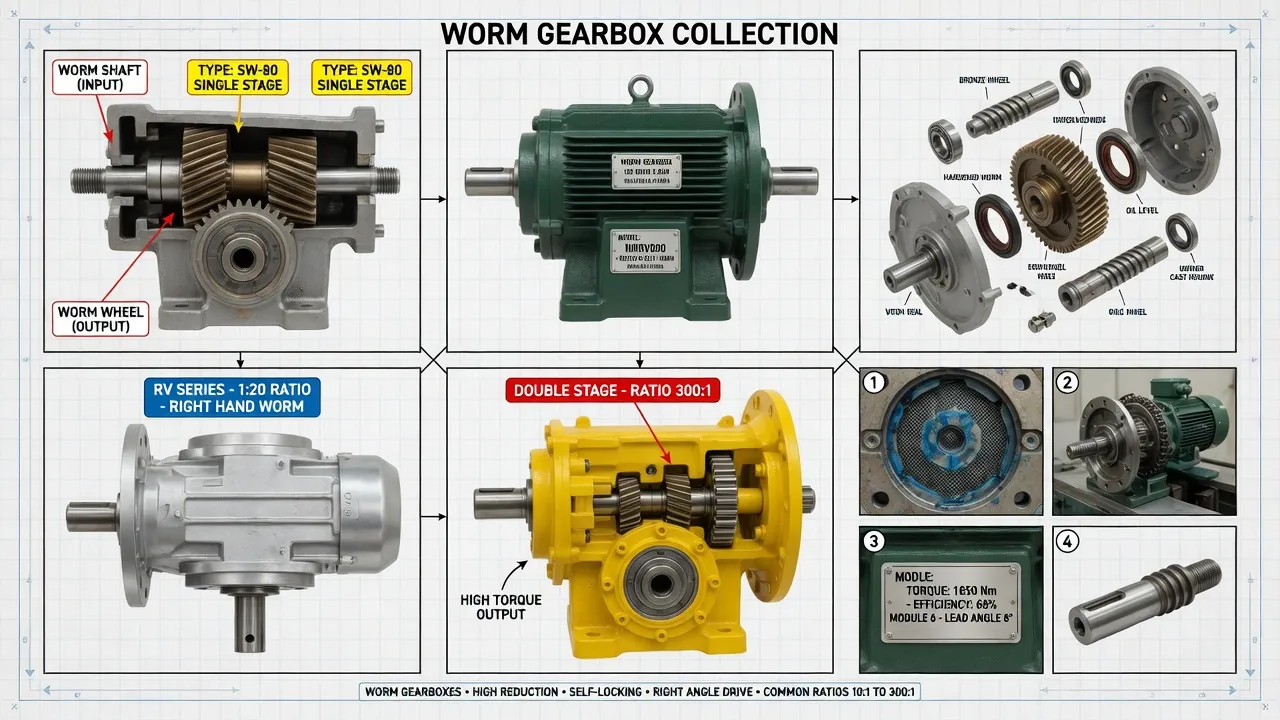
What Drive Demands Distinguish Subsea Actuators from General Marine Service?
Subsea valve actuator drives combine four operational characteristics that distinguish them from any non-subsea marine application. The first is the deepwater external pressure environment: subsea drives deploy at water depths from 100 meter shelf installations through 3,000+ meter ultra-deepwater locations, with external hydrostatic pressure reaching 300+ bar at 3,000 meter depth. Drive housings must accommodate this external pressure either through pressure-compensated oil-filled designs (housing internal pressure equalized to external water pressure through compensator membrane) or through pressure-balanced designs that transmit force through pressure-rated penetrations without requiring housing pressure compensation. The second characteristic is the seawater corrosion environment with elevated chloride concentrations and the chemical exposure typical of subsea production: produced water with hydrogen sulfide, carbon dioxide partial pressure, and the cathodic protection systems that maintain corrosion control on the pipeline and associated equipment.
The third characteristic is the 25+ year unattended service life requirement: subsea valve actuators deploy in positions where intervention access requires expensive ROV deployment events (USD 80,000-200,000 per intervention). Drive specifications must support unattended service across the full pipeline economic life without intervention access, meaning lubrication systems must operate without replenishment, sealing systems must maintain integrity across multi-decade exposure, and component fatigue calculations must demonstrate cumulative cycle capability matching the design service life. The fourth is the AISI 316L super-duplex stainless steel construction requirement: subsea valve applications use AISI 316L (low-carbon) or super-duplex stainless steel (UNS S32750 or equivalent) construction throughout for corrosion resistance and mechanical strength in the chloride-rich subsea environment. The right subsea valve actuator gearbox selection addresses pressure compensation, seawater corrosion resistance, 25+ year unattended service, and super-duplex stainless construction simultaneously per subsea drive technical references.
How Do Pressure-Compensated Stainless Drives Address Subsea Failure Modes?
Pressure-Compensated Design Equalizes Internal and External Pressure
Pressure-compensated subsea drive designs maintain internal lubricant pressure equal to external water pressure through a compensator membrane that transmits external water pressure to the internal lubricant. This pressure equalization eliminates the differential pressure across drive seals — meaning seal arrangements operate under near-zero differential pressure regardless of deployment depth, supporting the multi-decade seal integrity required for unattended service. The compensator design uses oil-filled volume with elastomer or metal bellows compensator that accommodates volume changes from temperature variation and minor lubricant level changes across the service life. Pressure compensation enables the same drive design to deploy across the full water depth range from 100 meter shelf through 3,000+ meter ultra-deepwater installations.
AISI 316L Super-Duplex Construction Resists Subsea Corrosion
AISI 316L (low-carbon stainless) or super-duplex stainless steel (UNS S32750 typical) construction throughout the gearbox housing, end covers, output shaft, and external surfaces resists corrosion from the elevated chloride concentrations and produced fluid chemistry typical of subsea oil and gas production environments. The 316L grade provides superior weld zone corrosion resistance compared to standard 316 grade, important for housing fabrication welds. Super-duplex grades provide approximately 2× the mechanical strength of 316L plus superior pitting and crevice corrosion resistance — appropriate for the highest-pressure applications and the most aggressive subsea production fluid chemistry. Material selection follows the specific subsea project requirements documented through subsea engineering specifications.
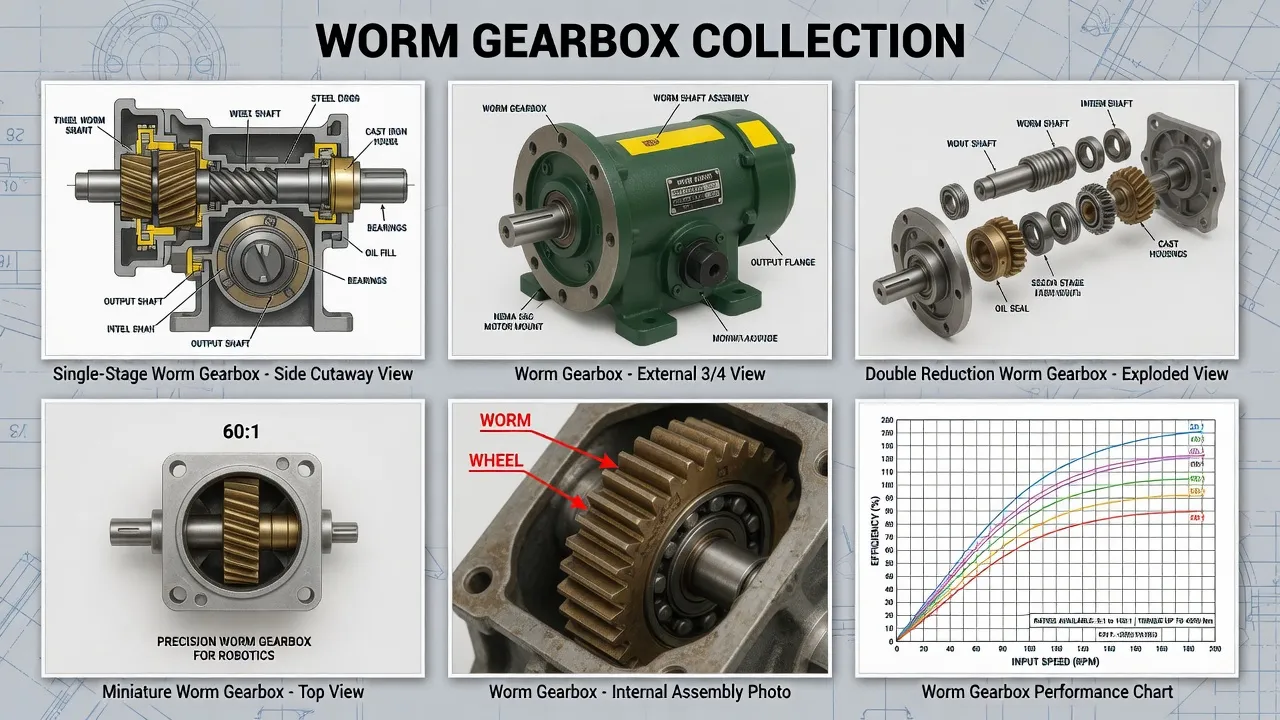
Technical Parameters: Subsea Valve Actuator Drive Specification Window
The table below summarizes specifications distinguishing subsea valve actuator drives from generic stainless steel worm gearbox alternatives. Values reflect AGMA 6034-B92 worm gear power rating combined with subsea oil and gas industry conventions for unattended service.
| Parameter | Subsea Actuator Spec | Generic Stainless |
|---|---|---|
| Housing material | AISI 316L or super-duplex | AISI 304/316 typical |
| Pressure rating | 3,000 m depth (300 bar external) | Atmospheric typical |
| Pressure compensation | Compensator membrane | Not provided |
| Reduction ratio | 60:1 – 150:1 self-locking | 5:1 – 100:1 |
| Output torque (rated) | 2,500 – 18,000 Nm | 200 – 4,000 Nm |
| Service life unattended | 25-30 years no intervention | 3-5 years |
| Industry compliance | API 17D, ISO 13628 | Not certified |
| Cycle rate over service life | 2,000+ cycles unattended | Standard cycle profile |
The single specification most often miscalculated on subsea projects is the unattended service life capability. Generic stainless industrial drives are designed for periodic maintenance access (typical 1-2 year lubricant change intervals, 3-5 year overhaul cycles) — completely incompatible with subsea deployment where intervention access requires ROV deployment costing USD 80,000-200,000 per event. Subsea-grade drives operate as sealed-for-life systems with lubricant fills designed for 25+ year service without replenishment, sealing arrangements that maintain integrity across multi-decade pressure cycling exposure, and component fatigue calculations demonstrating cumulative cycle capability matching the pipeline economic life. Field rebuild is not an option for these drives — they must succeed across the entire deployment cycle without intervention.
Application Matrix: Where Subsea Valve Actuator Drives Operate
Pipeline Isolation Valve Actuators
Subsea pipeline isolation valves provide segment isolation capability allowing maintenance, leak isolation, and emergency shutdown of pipeline sections. Output torque requirements range 5,500-18,000 Nm depending on valve size (typical pipeline valve sizes 8-inch through 36-inch) and pipeline operating pressure. The actuators operate 30-80 cycles per year under normal operations with full-open and full-closed cycling on schedule plus emergency shutdown events as needed. Drive specifications include AISI 316L super-duplex stainless steel construction, pressure compensation rated for the deployment depth, and 25+ year unattended service capability supporting the pipeline economic life.
Subsea Christmas Tree Valve Actuators
Subsea christmas trees integrate multiple valve actuators controlling production fluid flow from the wellhead through the production riser to surface facilities. Each tree typically deploys 6-12 actuator positions supporting production wing valves, isolation valves, choke valves, and chemical injection valves. Output torque requirements range 2,500-12,000 Nm per actuator depending on valve size and design pressure rating. The compact tree envelope drives compact drive specifications with smaller envelope than pipeline isolation valve applications, while maintaining the same pressure compensation and corrosion resistance requirements.
Subsea Manifold Distribution Valve Actuators
Subsea manifolds gather production from multiple wellhead positions and distribute through pipeline networks to surface facilities. Manifolds integrate distribution valve actuators controlling flow paths between wells and pipelines. Output torque requirements range 4,500-15,000 Nm depending on manifold size and operating pressure. Subsea manifold equipment typically deploys at intermediate water depths between wellhead positions and pipeline routing — drive specifications match the specific deployment depth requirements. Reference stainless steel reducer specifications for subsea manifold applications.
Pipeline Pig Launcher and Receiver Actuators
Pipeline pig launcher and receiver positions integrate valve actuators controlling pig insertion and removal operations during pipeline cleaning and inspection campaigns. The actuators operate intermittently across pig launching campaigns (typically 2-4 campaigns per year) plus continuous valve isolation duty between campaigns. Output torque requirements range 4,000-12,000 Nm depending on pipeline size and pig launcher design. The drive specifications match pipeline isolation valve specifications with the addition of intermittent campaign service profile rather than continuous valve cycling duty.
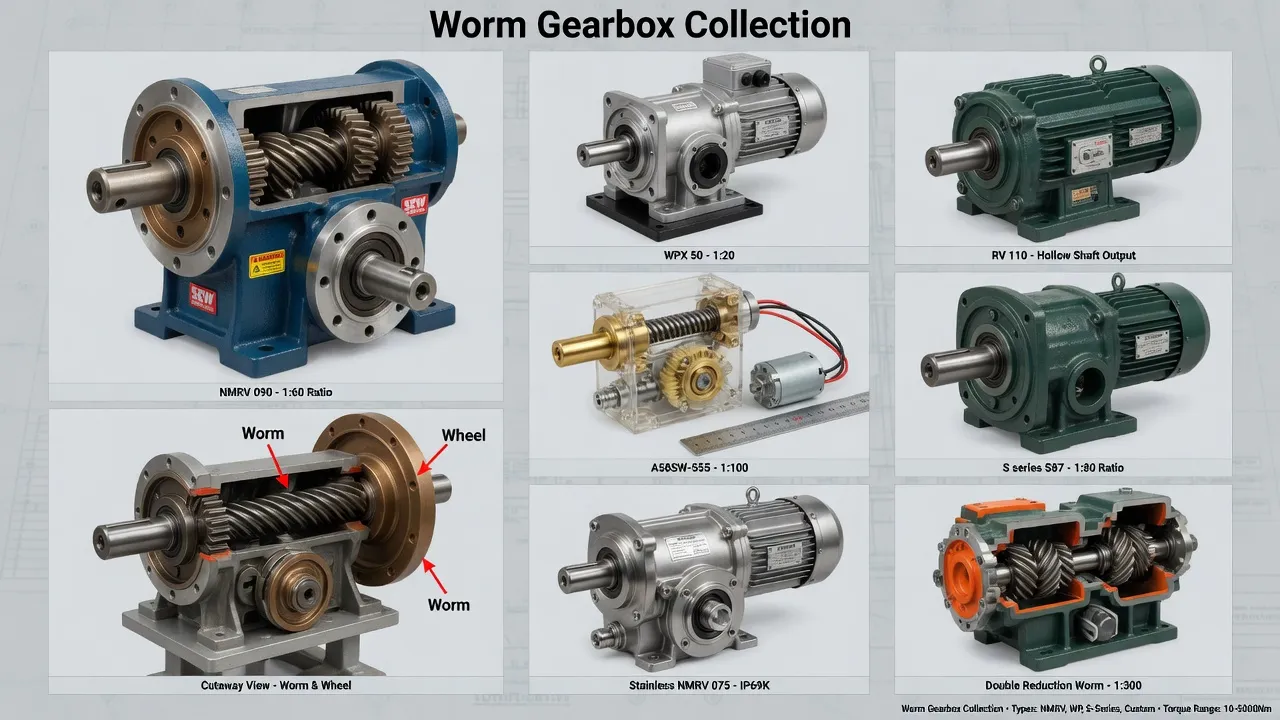
Selection Roadmap: Step-by-Step Workflow
The four-step procedure below covers subsea valve actuator drive selection from initial requirements documentation through deployment qualification.
Document Deployment Depth and Pressure Compensation Requirements
Document deployment water depth (typical 100-3,000 meter range) translating to external hydrostatic pressure (10-300 bar). Specify pressure compensation pathway: oil-filled compensator design with elastomer or metal bellows compensator membrane equalizing internal lubricant pressure to external water pressure. Verify compensator design accommodates volume changes from temperature variation and lubricant level changes across the 25+ year service life.
Calculate Valve Operating Torque and Lifecycle Cycle Count
Determine output torque from valve type (gate, ball, butterfly), valve size, pipeline operating pressure, and valve manufacturer torque tables. Apply 2.0 service factor minimum for subsea valve actuator service. Document expected lifecycle cycle count: typical 750-2,000 cycles across 25-year service life accounting for normal operations, scheduled testing, and emergency shutdown events. Verify cycle count capability supports unattended service across the full pipeline economic life.
Specify AISI 316L Super-Duplex Construction and Sealed Lubrication
Order AISI 316L (low-carbon stainless) housing throughout for typical subsea applications, or super-duplex stainless steel (UNS S32750 equivalent) for the highest-pressure applications and most aggressive production fluid chemistry. Specify sealed-for-life synthetic lubricant fill designed for 25+ year service without replenishment. Verify seal materials use HNBR fluoroelastomer compatible with seawater exposure plus produced fluid chemistry. Specify super-duplex external fasteners eliminating galvanic corrosion in the chloride environment.
Coordinate Subsea Qualification Test and API 17D Documentation
Document subsea qualification test pathway including pressure cycle testing per API 17D Subsea Wellhead and Tree Equipment specifications, accelerated aging testing simulating 25+ year deployment, ISO 13628 subsea production system qualification testing, and material certification per applicable subsea project specifications. Coordinate factory survey schedule with subsea project qualification engineering team. Include the drive in the subsea project Failure Mode and Effects Analysis (FMEA) and reliability assessment.
Spare Parts Integration: Subsea Operations Asset Management
Subsea operations differ fundamentally from above-water industrial equipment service — there is no field rebuild capability for deployed subsea valve actuators. Each drive must succeed across the full 25+ year deployment without intervention access, with field replacement only available through expensive ROV deployment events that recover and replace the entire actuator assembly. Spare drive inventory practices for subsea equipment focus on pre-deployment inventory at the surface installation contractor’s staging facility, plus ongoing field-replacement actuator manufacturing capacity for the rare cases where ROV-based actuator replacement becomes necessary.
The case-hardened steel worm shaft meshing with bronze worm wheel reaches 2,000+ operating cycles under sealed-for-life synthetic lubrication and pressure-compensated environment protection — providing margin above the typical 750-1,500 cycle count expected across 25 year service life. Premium-grade SKF or NSK super-duplex stainless steel-shielded tapered roller bearings throughout the drive handle the combined radial and thrust loads typical of subsea valve service with L10 fatigue life exceeding the design cycle counts under rated load. HNBR fluoroelastomer seal lips with super-duplex stainless garter springs maintain ingress protection across the multi-decade subsea environment exposure.
Akgnx Co., Ltd manufactures subsea-grade drives through specialized assembly processes including factory pressure cycle testing per API 17D specifications before delivery, with each drive carrying serialized documentation supporting subsea project quality assurance requirements. Reference stainless steel marine drive component specifications for component-level technical details supporting drive requalification for life-extension projects on existing subsea installations.
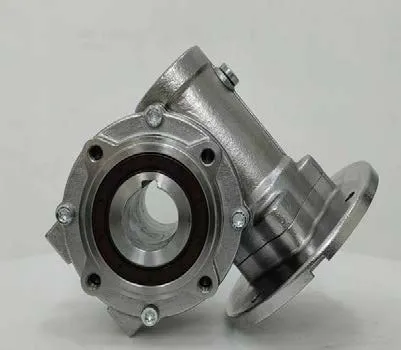
Cost & Sustainability: Total Ownership Across 25-Year Pipeline Life
Subsea operators and project developers evaluate subsea actuator drive investments across the pipeline economic life — typically 20-30 years matching field development plan project economics. The table compares total cost of ownership for subsea-grade drives against generic stainless industrial alternatives across this horizon (although generic alternatives are not actually deployable for subsea applications, the comparison shows the substantial cost penalty of subsea applications relative to surface industrial service).
| Cost Component | Subsea-Grade HSRV | Generic Stainless |
|---|---|---|
| Initial unit price (FOB) | USD 18,500 – 85,000 | USD 4,500 – 18,000 |
| Service life unattended | 25-30 years | Cannot deploy subsea |
| ROV intervention cost | Negligible | USD 80,000-200,000 per event |
| API 17D / ISO 13628 compliance | Full qualification | Not certified |
| Pipeline integrity protection | Reliable across service life | Not available |
| 25-year cumulative TCO | ~ 1.0× installed cost (sealed-for-life) | Not applicable to subsea |
Sustainability and compliance documentation accompanies every subsea-grade drive shipment. The housing carries CE marking per EU Machinery Directive 2006/42/EC and complies with RoHS Directive 2011/65/EU. Manufacturing follows ISO 9001:2015 quality management procedures with full material traceability per EN 10204 3.1 mill test reports for major components. Worm gear tooth geometry follows DIN 3974 quality grade Q7 with load capacity per AGMA 6034-B92 worm gear power rating methodology adjusted for subsea unattended service factor. Documentation supports API 17D Subsea Wellhead and Tree Equipment qualification, ISO 13628 Petroleum and Natural Gas Industries — Design and Operation of Subsea Production Systems compliance, and project-specific subsea engineering specifications.
Sealed-for-life synthetic lubricant fills eliminate the lubricant change waste typical of above-water industrial drives across the 25+ year subsea service life. The single-deployment service life eliminates the multiple replacement cycles that would be required if non-subsea-qualified alternatives could even be used. Akgnx Co., Ltd manufactures subsea-grade valve actuator drives through a dedicated subsea equipment drive program serving subsea valve actuator OEMs, subsea production system integrators, and offshore engineering contractors globally.
Customer Testimonials from Subsea Operations
“Our subsea production operations include 8 deepwater wellhead clusters with associated pipeline networks operating across 1,500-2,800 meter water depth. We standardized on HSRV-based subsea valve actuator drives in 2018 across new field development projects. Seven years into the standardization, we’ve maintained zero subsea valve actuator drive-related incidents across the 240+ deployed positions. The pressure-compensated design and AISI 316L super-duplex construction support our pipeline integrity protection requirements across the multi-decade field development life.”
— Subsea Production Manager, International Offshore Operations, Brazil
“As a subsea valve actuator OEM serving the global deepwater market, we evaluated multiple alternative drive suppliers for our standard subsea actuator product line. Akgnx HSRV subsea-grade drives passed our API 17D pressure cycle qualification testing including 3,000 meter water depth simulation, 25-year accelerated aging test, super-duplex stainless steel material certification, and ISO 13628 subsea production system qualification documentation. The pressure-compensated design and serialized qualification documentation streamline our subsea project commissioning processes.”
— Director of Engineering, Subsea Valve Actuator OEM, Norway
“We deployed HSRV-based subsea drives across 18 pipeline isolation valve positions during our most recent deepwater field development project. The drives have completed approximately 4 years of subsea deployment so far with zero performance issues across the deployed positions, supporting our pipeline integrity management program and our regulatory compliance reporting to applicable offshore safety authorities. The pressure compensation design has performed reliably across the deployment depth range from 800 meter through 2,200 meter water depth across the affected positions.”
— Subsea Engineering Manager, Deepwater Operations, USA Gulf of Mexico
“Our subsea production system integration projects deploy actuator drives across christmas trees, manifolds, and pipeline isolation valve positions for offshore field development projects worldwide. The HSRV subsea drives we’ve deployed across 22 project sites over the past 8 years have demonstrated approximately 30 percent fewer qualification test issues than the previous drive supplier and reduced project commissioning timelines by 4-6 weeks per project on average. The qualification documentation depth supports our subsea project regulatory submission processes across multiple national offshore safety authorities.”
— System Integration Director, Subsea Production System Integrator, United Kingdom
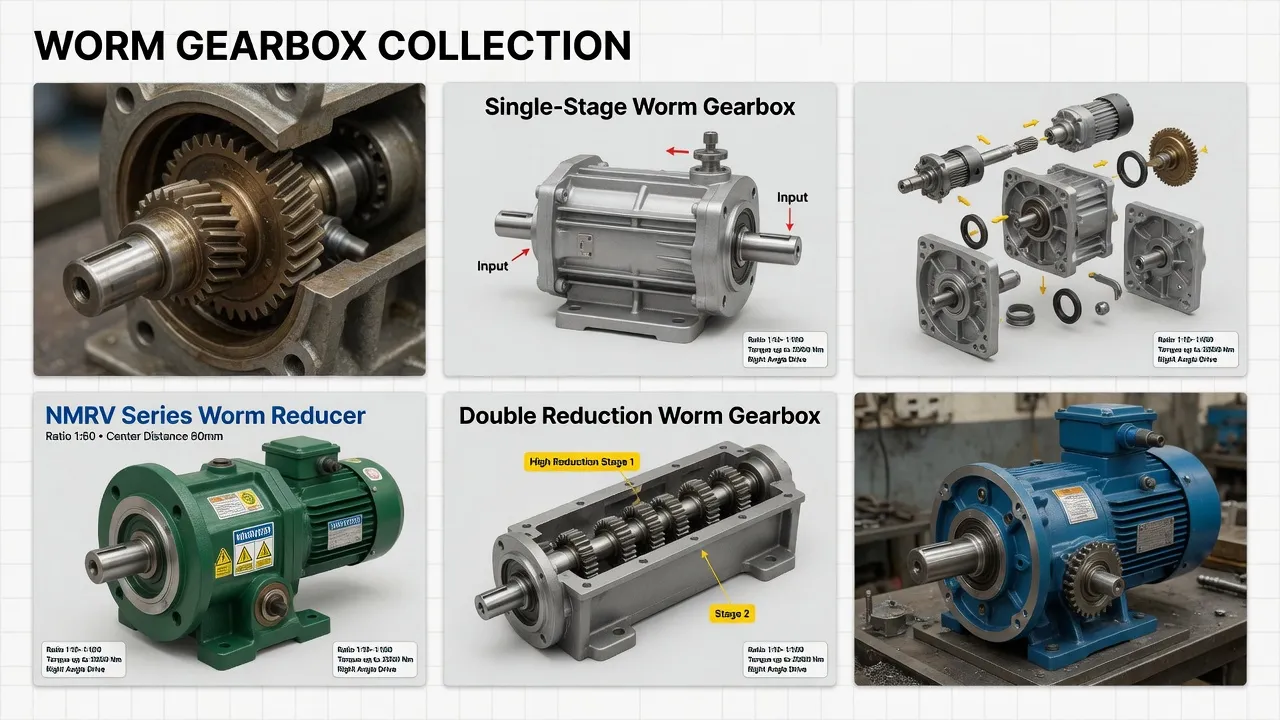
Recommended Drive: HSRV Subsea-Grade Stainless Steel for Valve Actuator Service
For pipeline isolation valve actuators, subsea christmas tree valve actuators, subsea manifold distribution valve actuators, and pipeline pig launcher and receiver actuators, the HSRV Stainless Steel Worm Gearbox in subsea valve actuator specification targets the 25-30-year-unattended-service, deepwater-depth-rated, API 17D-qualified service class with engineering features specifically chosen to address the deployment challenges of subsea valve actuator service.
Specifications include AISI 316L (low-carbon stainless) housing for typical subsea applications, or super-duplex stainless steel (UNS S32750 equivalent) housing for the highest-pressure applications and most aggressive production fluid chemistry, pressure-compensated oil-filled design with elastomer or metal bellows compensator membrane equalizing internal lubricant pressure to external water pressure across the full deployment depth range (100-3,000 meter water depth), single-stage worm-and-wheel architecture with centrifugally cast tin bronze ZCuSn10P1 worm wheel per ISO 1338 meshing with case-hardened 18CrNiMo7-6 steel worm shaft hardened to HRC 58-62 surface, reduction ratios from 60:1 through 150:1 ensuring inherent self-locking holding capability, premium-grade SKF or NSK super-duplex stainless steel-shielded tapered roller bearings rated for design cycle counts of 2,000+ events under rated load, HNBR fluoroelastomer double-lip seals with super-duplex stainless garter springs at all shaft penetrations, sealed-for-life synthetic polyalphaolefin (PAO) lubricant fill designed for 25+ year unattended service, motor flange compatibility with subsea-rated electric motors and matched electromagnetic brake assemblies, and super-duplex stainless steel A4+ grade external mounting hardware throughout. Output torque ratings reach 18,000 Nm continuous. API 17D Subsea Wellhead and Tree Equipment qualification documentation, ISO 13628 subsea production system qualification documentation, EN 10204 3.1 material certifications, CE marking per EU Machinery Directive 2006/42/EC, RoHS compliance, and ISO 9001:2015 quality system certification ship with every unit.
Beyond the HSRV subsea-grade frame, complete subsea valve actuator drive packages typically pair the gearbox with subsea-rated electric motors with electromagnetic brake assemblies and pressure-compensated motor housings, subsea-rated absolute encoder feedback for production control system integration, subsea-rated electrical penetrations supporting deepwater control system architecture, and full A4+ grade super-duplex stainless steel mounting hardware throughout. Akgnx Co., Ltd supplies matched drive packages for subsea valve actuator OEMs and provides subsea production project support across major deepwater project markets globally.
Specifying Drives for Subsea Valve Actuators?
Send deployment depth, valve type and size, operating pressure, and production fluid chemistry. We supply HSRV subsea-grade drives engineered for 3,000 meter depth deployment with API 17D qualification, pressure compensation, and 25+ year unattended service.
Frequently Asked Questions
© Akgnx Co., Ltd · About Us · Contact Us · [email protected]