
“How hot should a worm gearbox run?” is a maintenance question that comes up constantly — and gets vague answers. “Not too hot.” “You should be able to touch it.” “90°C maximum.” None of these is actionable without context. The correct answer depends on the gearbox’s seal material class, lubricant type, duty cycle, and the difference between oil temperature and housing surface temperature. This article gives you the precise limits — in degrees, not adjectives — for every standard configuration, explains the specific warning signs that tell you something is wrong before a failure occurs, and provides a practical temperature monitoring protocol maintenance engineers can implement without specialist equipment.
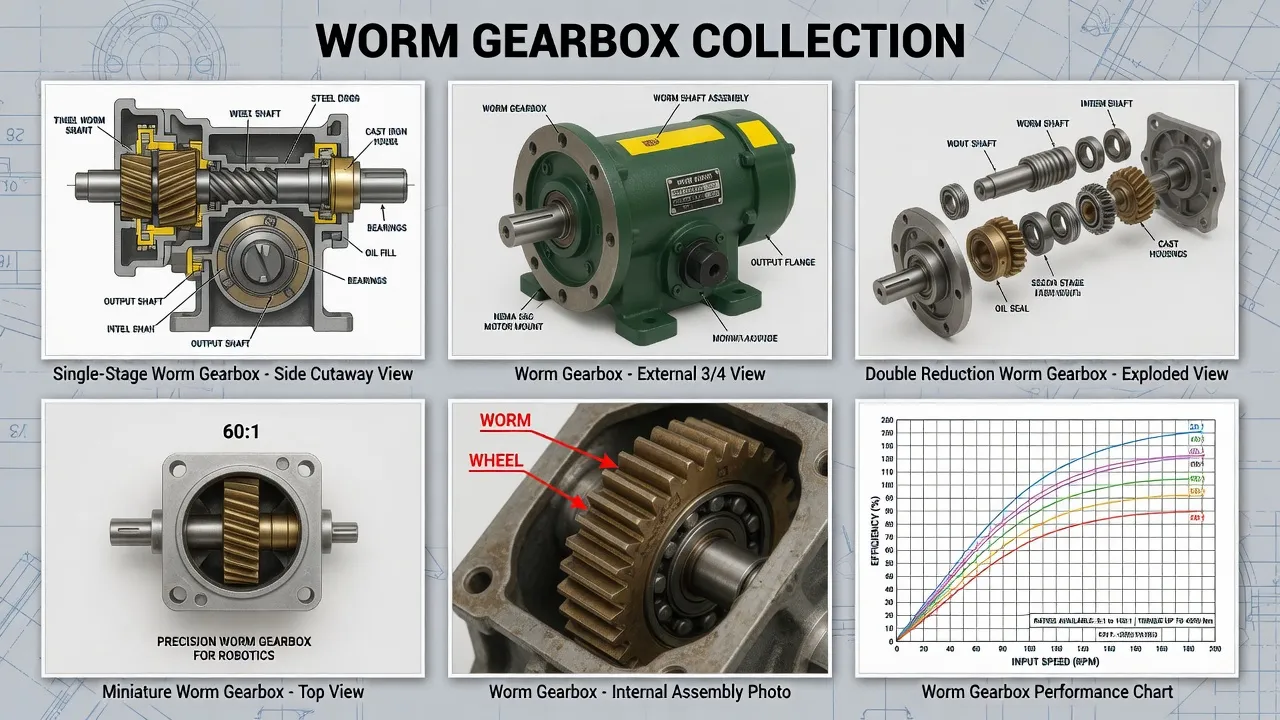
Oil Temperature vs Housing Temperature — Which to Measure
All temperature limits for worm gearboxes are specified in terms of oil temperature — the temperature of the lubricant in the sump. Housing surface temperature is what a thermometer or infrared gun typically measures in the field, and it is always lower than oil temperature. The relationship:
T_oil ≈ T_housing_surface + ΔT_offset
ΔT_offset (typical NMRV aluminum housing, natural convection): 12–22°C above housing surface
| Condition | Typical ΔT offset | So if housing reads 70°C… |
|---|---|---|
| NMRV aluminum, free-air natural convection | 12–18°C | Oil is approx. 82–88°C |
| NMRV aluminum, fan-cooled housing | 6–12°C | Oil is approx. 76–82°C |
| Cast-iron heavy-duty housing | 18–28°C | Oil is approx. 88–98°C |
| Stainless steel housing (lower conductivity) | 22–32°C | Oil is approx. 92–102°C |
The practical implication: a standard NMRV aluminum gearbox with housing surface temperature above 72–78°C is approaching its oil temperature limit. For stainless steel housings, the threshold is lower — a surface reading of 58–68°C already indicates oil temperatures near the limit. Always apply the housing-type offset when interpreting an infrared or contact thermometer reading.
Definitive Temperature Limits — by Seal Material and Lubricant
Temperature limits are determined by the combination of seal material and lubricant. The weakest link governs — the lower of the two limits applies:
| Seal Type | Continuous Oil Temp Limit | Peak (≤2 h) Limit | Identify By |
|---|---|---|---|
| NBR (Nitrile) — standard | 80°C | 90°C | Black seal, no marking; most budget NMRV units |
| FKM / Viton — premium standard | 90°C | 100°C | Brown/green seal; stated in spec sheet |
| PTFE — food / chemical grade | 100°C | 110°C | White seal; specified on HSRV food-grade units |
| Ceramic composite — high temp | 130°C | 150°C | HRV104 high-temp units for glass/ceramic industry |
| Lubricant Type | Continuous Oil Temp Limit | Notes |
|---|---|---|
| Mineral oil VG220 | 80°C continuous | Oxidation rate doubles every 10°C above 70°C. Change interval halves above 80°C. |
| PAO synthetic VG220 | 100°C continuous | Superior oxidation resistance. Can tolerate peak excursions to 110°C. |
| PAG synthetic VG220 | 110°C continuous | Highest thermal stability. Required for HRV104 high-temperature units. Not compatible with NBR seals. |
| Food-grade H1 synthetic | 90°C continuous | NSF-H1 certified. PTFE seals required for >90°C. |
For kiln, oven-adjacent, and high-ambient-temperature applications where standard temperature limits are insufficient, our high-temperature worm gearbox with ceramic seals and PAG lubricant is specified to 130°C continuous oil temperature. For worm gearbox operating parameters and temperature rating reference data, see the worm gearbox operating parameters reference.
What Is Normal — Expected Temperature by Ratio and Duty
Given that worm gearboxes inherently generate significant heat, knowing what is normal for your specific operating conditions avoids both false alarms and missed warnings:
| Ratio | Duty | Normal Oil Temp (PAO) | Normal Housing Temp | Investigate if > |
|---|---|---|---|---|
| 10:1 | 8 h/day, 60% load | 45–60°C | 30–45°C above ambient | 65°C oil |
| 30:1 | 8 h/day, 60% load | 55–70°C | 40–52°C above ambient | 80°C oil |
| 50:1 | 8 h/day, 70% load | 65–80°C | 48–62°C above ambient | 90°C oil |
| 50:1 | 24/7, 80% load | 75–90°C | 58–72°C above ambient | 95°C oil — action needed |
| 80:1 | 8 h/day, 70% load | 70–85°C | 52–68°C above ambient | 90°C oil |
Key insight from this table: a worm gearbox at 50:1 in 24/7 continuous duty naturally operates at 75–90°C oil temperature even when correctly sized for its mechanical rating. This means a correctly specified 24/7 worm gearbox is routinely running close to its thermal limit — which is why thermal rating checks and PAO synthetic lubricant are not optional for this duty class.
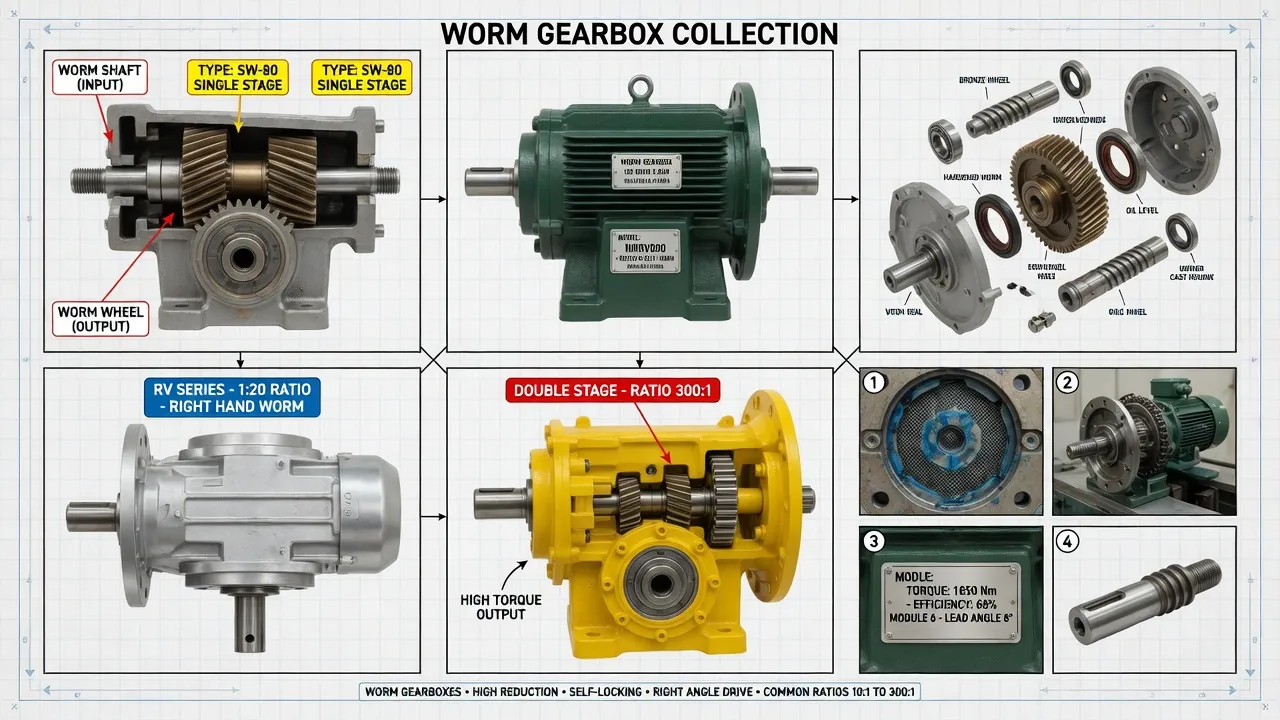
7 Warning Signs That Your Worm Gearbox Temperature Is Becoming a Problem
- Housing is too hot to hold your hand on for more than 3 seconds. The “back-of-hand” test corresponds roughly to 60–65°C surface temperature. An aluminum NMRV housing at this temperature indicates oil temperature of approximately 75–80°C — approaching NBR seal limits. Not an emergency, but note it and recheck after a PAO lubricant change.
- Oil has turned dark or smells burnt. Oxidized mineral oil turns from yellow-amber to dark brown or black, with a characteristic burnt smell. This indicates the oil has been sustained above 80°C for extended periods. Change the oil immediately and determine root cause before restarting continuous operation.
- Seals are weeping oil at the shaft. Seal lip degradation from sustained high temperature causes leakage long before seal catastrophic failure. Oil weeping from the input or output shaft seal at a previously dry installation is a reliable indicator of sustained overtemperature. Change seals and lubricant; investigate root cause.
- Temperature continues to rise after the first 200 hours of run-in. New gearboxes run hot during run-in and should stabilize within the first 100–200 service hours. If housing temperature is still rising after 200 hours, the gearbox is not cooling down to its steady-state equilibrium — a sign of inadequate heat dissipation for the duty being imposed.
- Unusual noise accompanying the heat increase. A worm gearbox that was previously quiet but develops a rougher sound alongside rising temperature is showing signs of lubricant film breakdown at the mesh. This is more serious than temperature alone — the bronze wheel may already have sustained scuffing damage.
- Temperature is noticeably higher than a nearby identical unit doing the same duty. When multiple identical gearboxes are in service on the same application, comparative temperature monitoring is one of the most sensitive early-warning tools available. A unit running 10°C hotter than its peers is worth investigating — it may have the wrong lubricant, a blocked airflow path, or the start of a bearing problem.
- Housing surface temperature readings above the safe threshold for your configuration. Using the housing-type offset table above, calculate the estimated oil temperature from your surface measurement. If the estimated oil temperature exceeds 80°C (NBR seals/mineral oil) or 90°C (FKM seals/PAO), begin intervention before damage accumulates.
Practical Temperature Monitoring — Three Methods Without Specialist Equipment
Reliable temperature monitoring does not require instrumentation investment. Three practical methods:
- Infrared thermometer (€15–€40): Point at the housing surface above the oil sump at the end of the first shift after installation. Record the reading and add the housing-type offset from the table above to estimate oil temperature. Repeat monthly and track trend. A 5°C increase over 6 months with no change in duty usually indicates lubricant degradation — time for an oil change.
- Temperature-indicating stickers (€3–€8 per unit): Irreversible color-change strips rated at fixed temperatures (60°C, 70°C, 80°C, 95°C) are applied to the housing near the oil sump. If a strip changes color, a temperature exceedance occurred even if no one was present to observe it. Particularly useful for unattended installations and remote conveyor drives.
- Lubricant condition check at oil change: At each oil change (8,000-hour interval for PAO, 4,000-hour for mineral oil in demanding duty), compare the drained oil color to a reference sample. Dark color indicates sustained high temperature. Record the observation with date and running hours — if two consecutive changes show darkened oil, the thermal load has increased and investigation is warranted.
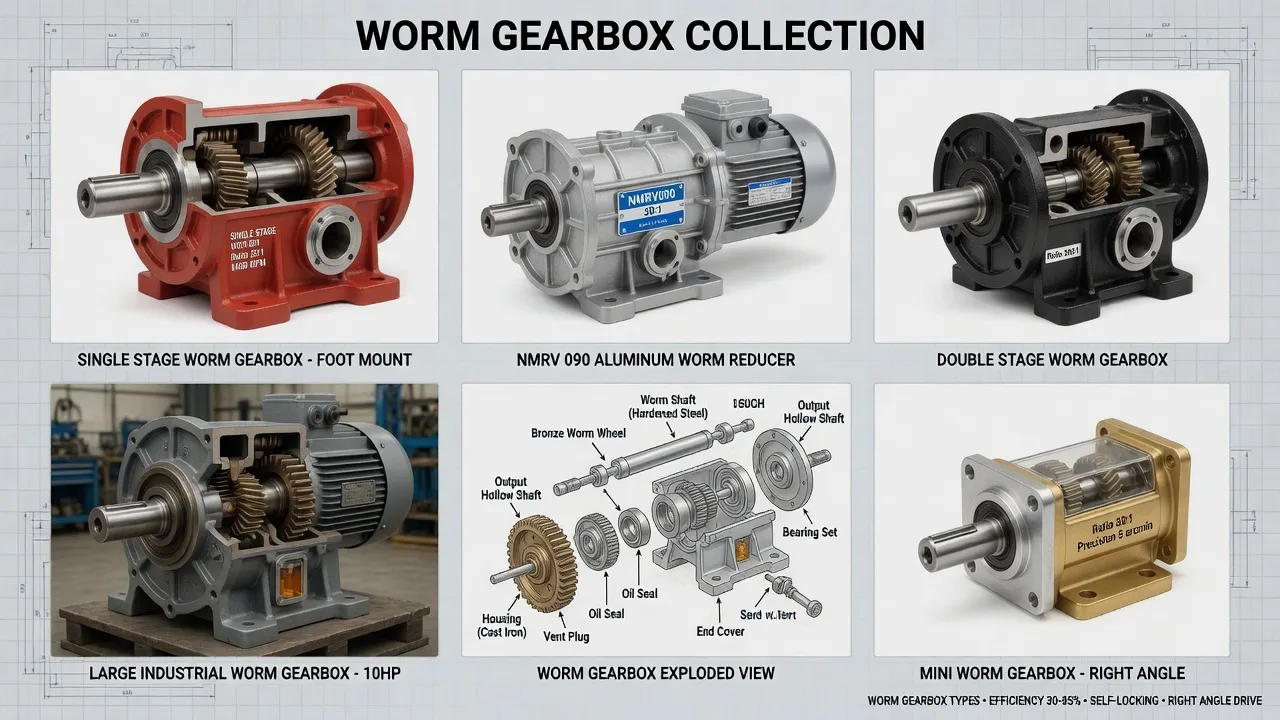
Temperature and Lubricant Service Life — The Arrhenius Rule
Lubricant oxidation follows the Arrhenius temperature relationship: the oxidation rate doubles for every 10°C increase above the lubricant’s thermal stability threshold. For practical purposes this means:
| Continuous Oil Temp | PAO VG220 Change Interval | Mineral Oil VG220 Change Interval |
|---|---|---|
| ≤60°C | 10,000 h or 2 years | 8,000 h or 18 months |
| 60–70°C | 8,000 h | 5,000 h |
| 70–80°C | 5,000 h | 3,000 h |
| 80–90°C | 3,000 h | 2,000 h (at limit) |
| 90–100°C | 2,000 h (near limit) | Not recommended — change to PAO |
The economic case for PAO synthetic vs mineral oil becomes strongest at elevated operating temperatures. At 80°C oil temperature, mineral oil change interval shortens to 2,000 hours — 4× more frequent changes than PAO at the same temperature. Factor in the cost of oil, labor, and scheduled downtime, and PAO synthetic typically pays for its premium within the first lubricant-change cycle at elevated-temperature applications. For the full NMRV worm gearbox series catalog data including thermal ratings by frame and ratio, contact our team.
Frequently Asked Questions
Is 70°C housing surface temperature acceptable?
For an NMRV aluminum housing in free air, 70°C surface corresponds to approximately 82–88°C oil temperature — which is above the NBR seal limit (80°C) and approaching the FKM/PAO limit (90°C). Whether this is acceptable depends on your seal and lubricant specification. If you have FKM seals and PAO synthetic, 70°C housing is within limits but near the upper range — worth monitoring. If you have NBR seals or mineral oil, 70°C housing surface is an overtemperature condition requiring action.
Why does my gearbox run hotter in summer?
The gearbox catalog thermal power rating is specified at a reference ambient temperature (typically 20°C). When ambient rises to 35–40°C in summer, the temperature differential between the oil and the ambient air decreases — the housing can dissipate less heat per unit time. The result is that the oil reaches a higher equilibrium temperature for the same operating load. In hot climates or summer months, apply the ambient derating factor: for every 10°C above the catalog reference ambient, derate continuous input power by 10–15%.
How long can a worm gearbox run at 95°C oil temperature before damage?
At 95°C oil temperature with mineral oil or NBR seals: lubricant degradation begins immediately; oxidation accelerates rapidly; significant lubricant degradation occurs within 8–16 hours; seal lip hardening begins within 24–48 hours. With PAO and FKM seals at 95°C: the gearbox is operating 5°C above the continuous limit but below the peak limit (100°C). Short excursions of 1–4 hours are unlikely to cause immediate damage, but reduce change interval to 2,000 hours and monitor temperature trend.
Does a cold gearbox (below 10°C) have any operating concerns?
Yes — cold starts below 10°C increase oil viscosity significantly, raising starting friction at the mesh and producing lower efficiency (more heat) in the initial warm-up period. For applications in cold environments, specify a lubricant grade with lower viscosity at cold temperatures: ISO VG150 instead of VG220 allows better cold-start flow. Do not specify VG320 or higher for cold-climate applications. Allow 15–30 minutes of no-load or light-load warm-up before applying full rated load in ambient temperatures below 5°C.
Concerned About Your Worm Gearbox Operating Temperature?
Share your housing temperature reading, gearbox frame, ratio, seal type, lubricant, and duty cycle — we’ll confirm whether you are within limits and recommend corrective action if needed. No-cost diagnosis within one business day.
Temperature Monitoring in Practice — Tools and Methods
Effective temperature monitoring requires the right measurement point and the right tool. Three practical approaches ranked by cost and accuracy:
- Temperature-indicating adhesive labels (lowest cost, ~€1–3 each): Liquid-crystal or wax-pellet indicators that change color or melt permanently when a threshold temperature is exceeded. Apply to the oil reservoir area of the housing. Use the 70°C and 90°C labels as minimum monitoring. They provide a permanent record that a thermal event occurred — invaluable during warranty disputes and root-cause analyses.
- Contact thermocouple or PT100 probe (€20–€120 + wiring): A surface-mount thermocouple bonded to the housing near the oil reservoir gives continuous temperature data readable at a PLC or SCADA system. Industry standard for continuous-process gearboxes running more than 16 hours/day. Set PLC alarm at oil temperature 70°C, shutdown at 90°C (catalog-specific limits apply — some units are rated to 100°C continuous).
- Handheld infrared pyrometer (€40–€150 per maintenance team): Non-contact housing surface temperature measurement during routine walk-around maintenance. Measure the same point every round — document the trend over time. A surface temperature rising by more than 8°C between monthly readings (at equivalent ambient conditions) is the primary field indicator of efficiency degradation or developing failure.
The most important principle: measure relative to a baseline, not to a fixed alarm value. A gearbox that typically runs at 52°C surface temperature alarming at 65°C is providing 13°C of headroom. A different gearbox running normally at 74°C alarming at the same 65°C absolute value would alarm continuously — giving false positives. Set alarms as ΔT above your unit’s documented normal operating temperature, not as absolute temperatures.
How Ambient Temperature Affects the Permissible Operating Temperature
All worm gearbox thermal ratings are specified at a standard reference ambient temperature — typically 20°C or 25°C. If your installation environment is hotter (enclosed machine cabinet, tropical climate, near-furnace location), the effective thermal budget narrows:
| Ambient Temp | Available ΔT Budget | Thermal Input Power Derating | Action Required |
|---|---|---|---|
| 20°C (reference) | +70°C (to 90°C oil limit) | 1.00 (no derating) | Standard catalog rating applies |
| 30°C | +60°C | ~0.86 | Reduce continuous input power by ~14% |
| 40°C | +50°C | ~0.71 | Reduce input power by ~29% or add cooling |
| 50°C | +40°C | ~0.57 | Forced cooling fan or external cooler mandatory |
The derating is approximately proportional to the reduction in available temperature rise (ΔT). At 40°C ambient, you have only 50°C of thermal headroom instead of 70°C — so the permissible continuous heat generation is 50/70 = 71% of the reference rating. If the plant runs at high ambient temperature year-round and the gearbox is near its thermal limit at reference conditions, the first intervention is always an input-power audit against the thermally-derated catalog value before any hardware changes are made.