
“IP65” or “IP69K” on a gearbox datasheet tells you something specific about what the enclosure can withstand — but only if you know how to read the two-digit code correctly. A specification engineer who mistakes IP65 for IP69K, or assumes IP67 (immersion-rated) includes IP69K (high-pressure washdown), will specify a gearbox that either fails from water ingress or is over-specified by 3× in purchase cost. This guide decodes every IP rating relevant to industrial gearboxes — from the baseline IP54 in dry indoor environments to IP69K in food-plant washdown zones — explains the exact test conditions behind each rating, and maps each rating to the specific application environments where it is required, adequate, or excessive.
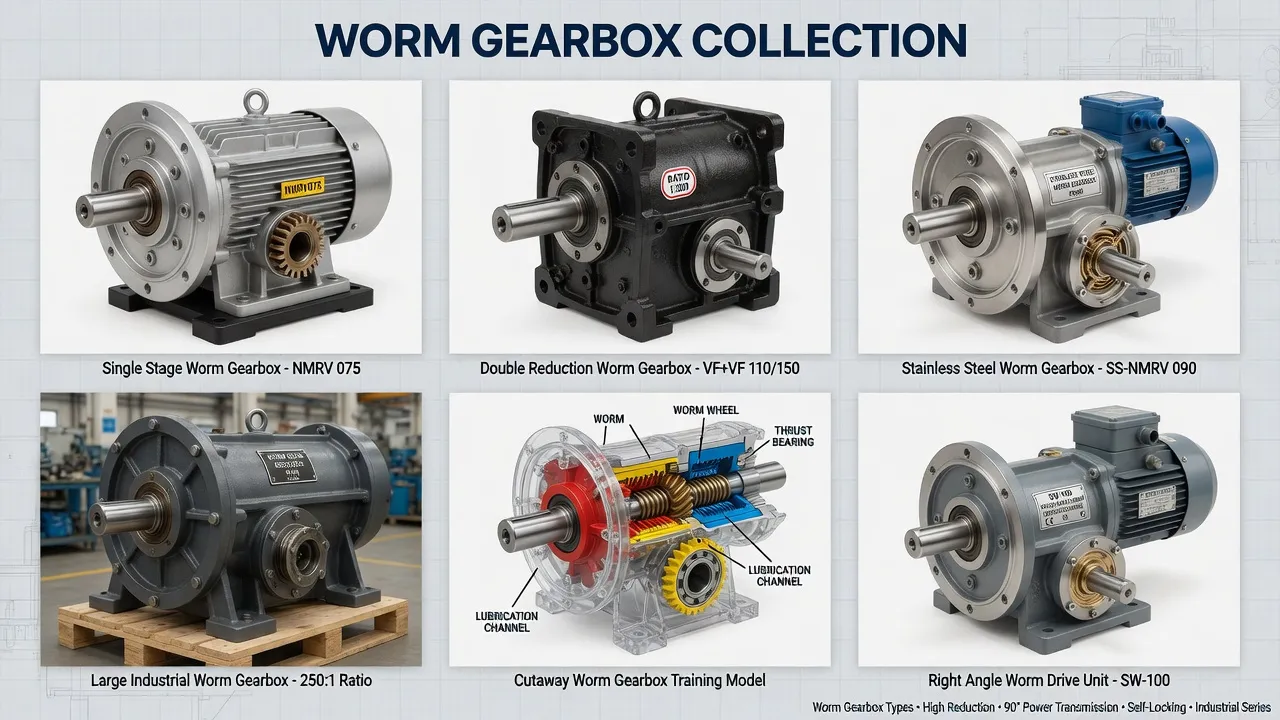
How to Read the IP Code — The Two-Digit System
IP (Ingress Protection) rating is defined by IEC 60529. The code format is “IP” followed by two digits, each independently specifying a different type of protection:
| First Digit | Solid / Dust Protection | Second Digit | Liquid / Water Protection |
|---|---|---|---|
| 0 | No protection | 0 | No protection |
| 4 | Protected against solid objects >1 mm | 4 | Protected against water splashing from any direction |
| 5 | Dust protected (limited ingress — no harmful deposit) | 5 | Protected against water jets from any direction (12.5 L/min, <1 bar) |
| 6 | Dust tight (no ingress — complete exclusion) | 6 | Protected against powerful water jets (100 L/min, <1 bar) |
| 7 | Immersion up to 1 m depth for 30 minutes | ||
| 8 | Immersion beyond 1 m (manufacturer-specified depth and duration) | ||
| 9K | High-pressure, high-temperature water jets (80°C, 80–100 bar, 14–16 L/min, 0.1–0.15 m nozzle distance) |
Critical non-additive rule: IP ratings are independent — a higher second digit does not imply the lower second digit is also certified. A product rated IP69K is NOT automatically IP68 (immersion). The 9K test uses high-pressure spray at close range; the 8 test uses sustained immersion at depth — they test different failure modes. Always verify both ratings independently if your installation involves both washdown AND immersion risk.
IP54 — Standard Indoor Industrial Gearbox
Test condition: Dust-protected (limited dust ingress, no harmful deposit) + water-splash resistant from all directions.
What it protects against: Incidental water splash from condensation drips, accidental contact with wet surfaces, and moderate dust environments. Not resistant to directional water jets.
Where it applies: Dry indoor factory environments with moderate dust. Light machinery in warehouses and light manufacturing. NOT adequate for outdoor, washdown, or dusty aggregate/cement environments. Most catalog NMRV gearboxes ship with at least IP54 as the baseline — the standard double-lip FKM seal on the input and output shafts provides this level.
IP55 — Standard Industrial (The Most Common Specification)
Test condition: Dust-protected + directional water jets from any direction (12.5 L/min nozzle, 2.5–3 m distance, 3 minutes total exposure).
Where it applies: Standard industrial indoor environments with occasional water exposure — minor spray, condensation, and cleaning by damp cloth or low-pressure rinse. The default for most NMRV catalog specifications. Adequate for most conveyor, agitator, and packaging machine installations in dry-to-moderate environments. IP55 is the starting point for outdoor installations where the gearbox is inside a weatherproof cabinet; IP65 is required if the gearbox itself is directly exposed outdoors.
IP65 — Dust-Tight + Directional Water Jet
Test condition: Completely dust-tight (no dust ingress under test vacuum) + directional water jets from any direction (12.5 L/min, same as IP55 water test but combined with the more stringent dust-tight solid protection).
The critical improvement over IP55: dust-tight instead of dust-protected. In abrasive dust environments (cement, grain, mineral processing), IP55’s “limited dust ingress” allows fine particles to reach the shaft seals over time — acting as an abrasive at the seal lip contact. IP65’s complete dust exclusion prevents this.
Where it applies: Outdoor installations in moderate weather, dusty industrial environments (aggregate processing, grain handling, cement), food processing splash zones where regular hose-down (not pressure washing) is the cleaning method. Most gate operators and solar tracker drives specify IP65 as minimum for outdoor exposure. The seal system upgrade from IP55 to IP65 involves dust-exclusion lip seals on the shaft entries and improved housing gasket specification.
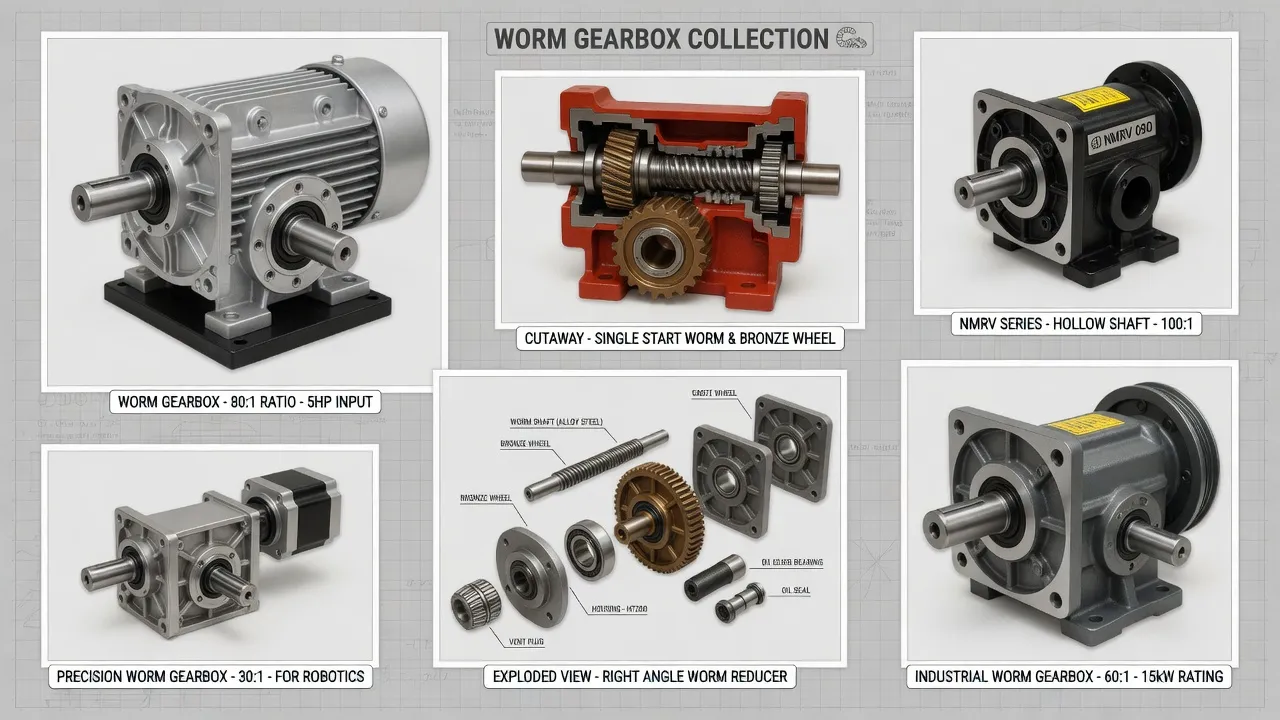
IP66 — Powerful Water Jet Resistant
Test condition: Completely dust-tight + powerful water jets from any direction (100 L/min nozzle, 2.5–3 m distance, 3 minutes total — 8× the water flow rate of the IP65/IP55 test).
Where it applies: Outdoor installations subject to heavy rain, high-pressure garden hose washdown, industrial environments subject to periodic pressure hosing (not CIP/hot-water). Mining conveyor drives exposed to water from de-dusting sprinklers. Commercial gate operators in coastal or tropical rainfall environments. Solar tracker drives in locations with aggressive monsoon or typhoon exposure. Food processing environments where 1–2 bar water hose cleaning (but not high-pressure CIP) is standard. The seal system upgrade from IP65 to IP66 involves higher-durometer seal lip compounds and improved housing joint sealing.
IP67 — Short-Duration Immersion
Test condition: Completely dust-tight + immersion in water up to 1 m depth for 30 minutes.
Where it applies: Installations at risk of temporary flooding or immersion — flood-prone industrial facilities, equipment operating in shallow water (irrigation systems, fish farm drives, under-floor drives subject to washdown flooding). IP67 is specifically an immersion rating, not a washdown rating — a product can be IP67 but fail the IP69K test. For equipment requiring both immersion resistance AND high-pressure washdown resistance, specify IP67 + IP69K combined (some food-industry stainless gearboxes carry both). The immersion resistance requires hermetically sealed housing gaskets and lip seals rated for sustained hydrostatic pressure.
IP69K — High-Pressure Hot Washdown (Food & Pharma Standard)
Test condition: Water at 80°C (±5°C), 80–100 bar pressure, 14–16 L/min flow rate, nozzle held at 0.1–0.15 m distance, object rotating at 5 rpm, 30 seconds per 90° quadrant.
Why the “K” suffix: The “K” (from German “Kärcher” — the high-pressure washer brand) indicates this is a supplementary protection class beyond the standard IP6x sequence. It tests a different, more severe failure mode than IP67 or IP68 — high-pressure spray creates a water hammer and jet penetration effect that immersion does not.
Where it applies: Any food processing installation subject to CIP (clean-in-place) sanitization, dairy production, meat and poultry processing, beverage bottling, pharmaceutical manufacturing with hot-water sterilization cleaning, industrial kitchens. IP69K is the minimum hygiene standard for gearboxes installed in zones that are regularly pressure-washed with hot water. Standard NMRV aluminum housing gearboxes are NOT IP69K — achieving IP69K requires double FKM lip seals, high-compression housing gaskets, sealed bearing arrangement, and typically a stainless steel or food-grade coated aluminum housing.
Our stainless steel worm gearbox for food and pharma carries full IP69K certification with test reports available on request. For general industrial applications, our NMRV worm gearbox range is available in IP55 (standard) and IP65 (dust-tight outdoor) configurations. For a full IP rating and environmental specification reference across gearbox product lines, see the gearbox IP rating and environmental protection guide.
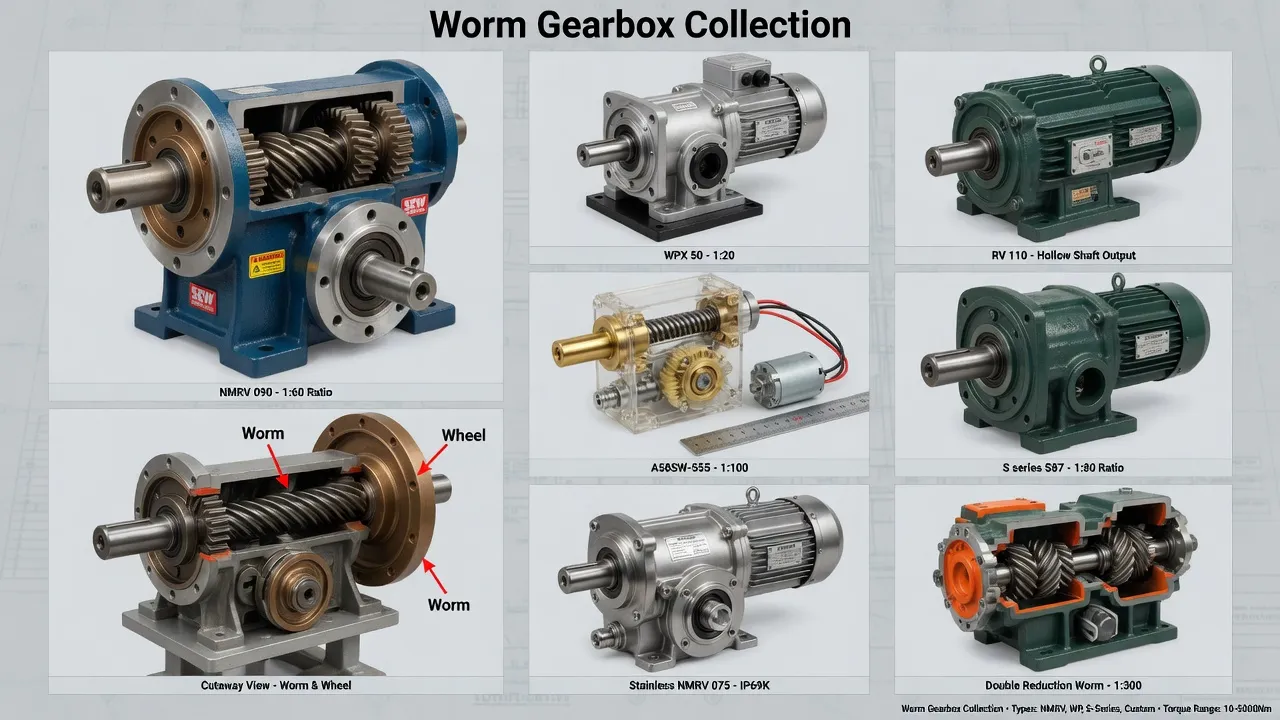
IP Rating Selection Guide by Application Environment
| Application Environment | Minimum IP | Recommended IP |
|---|---|---|
| Dry indoor factory, no water exposure | IP54 | IP55 |
| Indoor with occasional splash or condensation | IP55 | IP55 |
| Dusty environment (cement, grain, aggregate) | IP65 | IP65–IP66 |
| Outdoor, direct weather exposure | IP65 | IP65–IP66 |
| Outdoor coastal / tropical heavy rain | IP66 | IP66 |
| Flood risk / shallow water immersion | IP67 | IP67 |
| Food plant, hose-down cleaning (<2 bar) | IP66 | IP66–IP69K |
| Food plant, CIP pressure washdown (80°C, high pressure) | IP69K | IP69K |
| Pharmaceutical, clean-room, sterilization | IP69K | IP69K + IP68 |
Frequently Asked Questions
Does a higher IP rating affect gearbox efficiency?
Marginally — the additional seal elements required for IP66 and IP69K (higher-durometer seal lips, more sealing interfaces) add slight friction at the shaft seal contact areas. For a standard NMRV, the efficiency difference between IP55 and IP65 is typically 0.2–0.5% — within measurement noise. The difference between IP55 and IP69K may be 0.5–1.5% on small frames (NMRV030–050) where shaft seal friction is proportionally significant. In practice, this efficiency difference is irrelevant for the energy-cost calculations that drive efficiency decisions — it is far smaller than the ratio-driven efficiency variation.
Does IP rating cover chemical resistance?
No — IP rating covers only physical ingress of solids and water. Chemical resistance of the seal materials and housing surface is a separate specification. For example, IP69K tested with clean water does not guarantee the same protection against chlorinated cleaning solutions used in food-plant CIP. FKM (Viton) seals are required for resistance to caustic and acidic CIP chemicals; NBR seals are not suitable. Always verify seal material compatibility with the specific cleaning chemicals used, in addition to the IP rating for the water pressure and temperature.
How often do IP-rated seals need replacement?
IP rating is a tested property of a new unit — it is not maintained indefinitely without maintenance. FKM shaft seals degrade over time from thermal cycling, UV exposure (outdoor units), and contact with the lubricant and environment. IP69K seals in food plants should be inspected annually and replaced every 3–4 years proactively. IP65/IP66 seals in outdoor installations should be replaced every 4–6 years. After each field seal replacement, the IP rating is reinstated to its original level assuming the replacement seal meets the original IP specification. Waiting for visible leakage before replacing seals means the IP protection has already failed for some period.
Can a standard IP55 gearbox be upgraded to IP65 in the field?
Partially — replacing NBR seals with FKM seals and ensuring all plugs and gaskets are properly seated can improve the practical ingress resistance. However, to claim IP65 certification, the unit must be tested as a complete assembly per IEC 60529 — field modifications do not confer the certification. For procurement purposes, if IP65 is required, specify it at order. For existing installations that need improved protection, the pragmatic approach is to add external shaft seal guards (labyrinth guards over the shaft entries) and ensure all cover bolts are correctly torqued — these field measures improve practical protection without requiring recertification.
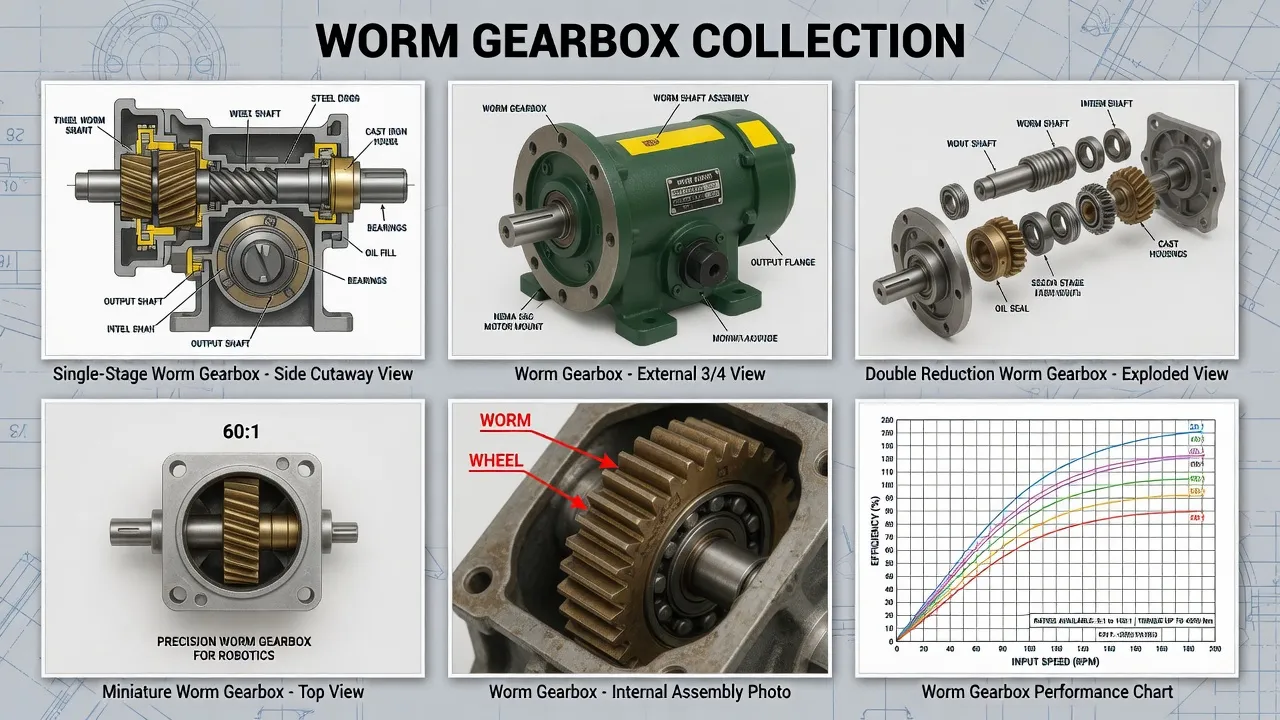
Need a Worm Gearbox With the Correct IP Rating for Your Environment?
Tell us your installation environment, cleaning method, ambient temperature, and torque/speed requirements — we’ll specify the correct IP rating and housing material with appropriate test documentation included.
IP Rating Across the Full Gearbox Product Range
IP rating availability varies by product line — the housing material and seal specification must be matched to the IP rating requirement:
| Product Line | IP55 | IP65 | IP66 | IP69K |
|---|---|---|---|---|
| NMRV standard aluminum | ✓ Standard | ✓ Option | ✓ Option | ✗ |
| HSRV stainless steel | ✓ | ✓ | ✓ | ✓ Standard |
| RR heavy-duty cast iron | ✓ Standard | ✓ | ✓ Option | ✗ |
Aluminum housing NMRV gearboxes cannot achieve IP69K — the 80°C/100-bar test permanently damages the aluminum housing surface treatment and the standard NBR-to-FKM seal transition zones. IP69K requires full 316L stainless steel housing and specifically engineered double-lip FKM seal geometry designed for the hydrostatic pressure of the 100-bar test. Our stainless steel worm gearbox for food and pharma provides IP69K as standard with NSF-H1 lubricant and EHEDG-compliant surface geometry. For standard industrial outdoor and washdown applications not requiring the full food-grade specification, our NMRV worm gearbox at IP65 covers the majority of outdoor industrial requirements economically.