
A walking-beam cooling bed handling hot-rolled section steel exits the rolling mill at 1,150-1,250°C and steps the product across a 35-65 meter long cooling field on a 30-90 second indexing cycle, eventually depositing the cooled product at 80-150°C onto the discharge conveyor. The cooling bed step drives operate the eccentric or scotch-yoke mechanism that lifts each beam, advances it forward by one pitch, lowers it onto fixed support rails, and returns underneath for the next cycle — moving 300-1,200 product pieces simultaneously across the cooling field in a coordinated lift-step-lower-return sequence. Drive failure interrupts the entire mill’s discharge flow within minutes — products back up at the rolling mill discharge with no place to go, forcing mill stop and creating substantial commercial impact (USD 75,000-150,000 per shift for a typical bar/structural mill). Improper step coordination produces uneven cooling rates that warp the steel sections beyond camber tolerance, scrapping affected product. Properly specified cooling bed step worm gearbox equipment — engineered for radiant heat exposure, dust contamination resistance, and synchronized multi-drive coordination — eliminates the unscheduled outage events that disrupt steel mill discharge flow and cooling-induced product rejection.
This guide covers the unique drive duty profile of walking-beam cooling beds at hot rolling mills serving section, bar, plate, and structural steel production, addresses the elevated temperature radiant exposure environment and synchronized multi-drive operation, walks through selection criteria balancing thermal tolerance with cycle reliability, and provides a maintenance roadmap suitable for steel mill operations and cooling bed rebuild projects. Audience: steel mill operations engineers, cooling bed OEMs, mill rebuild contractors, and consulting engineers specifying drive equipment for new cooling bed installations and major modernization projects.
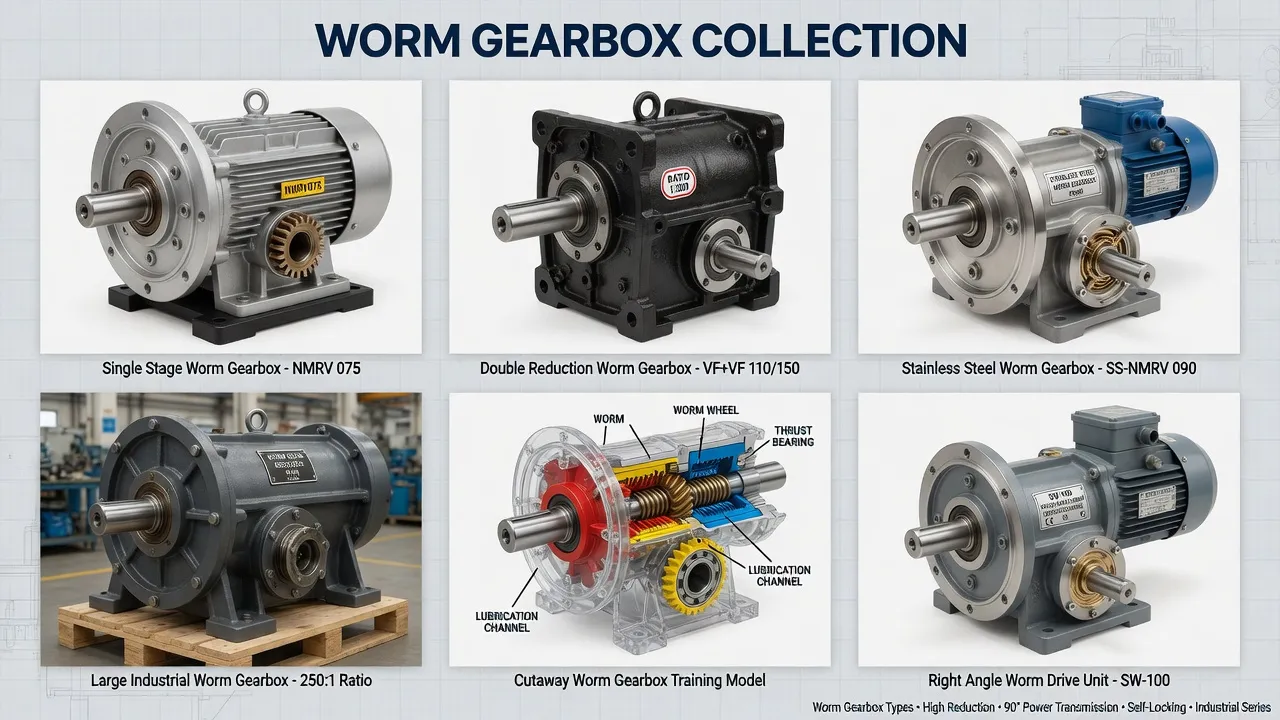
What Drive Demands Distinguish Cooling Bed Steps from General Heavy Service?
Cooling bed step drives combine four operational characteristics that distinguish them from any non-cooling-bed industrial application. The first is the radiant heat exposure environment: the drive housing mounts within 2-5 meters of red-hot product radiating heat at surface temperatures 800-1,200°C across the cooling bed field. Drive housing surface temperatures stabilize at 75-95°C during continuous operation, with drives located near the rolling mill discharge end seeing housing surface temperatures reaching 100-120°C. Lubricant chemistry must resist thermal oxidation across this sustained elevated temperature, and seal materials must maintain integrity across the cyclic thermal exposure. The second characteristic is the high-cycle synchronized multi-drive operation: a typical cooling bed deploys 4-12 step drives operating simultaneously in coordinated motion to advance the beam structure uniformly. Each drive cycles 800-2,400 times per shift across multi-shift continuous operations, with cumulative cycle counts reaching 4-7 million events across the typical 25-30 year cooling bed service life — fatigue patterns that demand robust bearing arrangements and substantial gear capacity beyond typical industrial duty profiles.
The third characteristic is the mill scale and oxide dust contamination exposure: cooling beds generate substantial mill scale and iron oxide dust as red-hot product oxidizes across the cooling field, producing aggressive particulate that coats external drive surfaces and challenges seal integrity. The drive operating environment requires positive ingress protection rated for the mill scale dust loading typical of cooling bed installations. The fourth is the synchronized motion control requirement: multi-drive cooling beds require coordinated motion across all step drives within ±5 mm linear tolerance to avoid product racking that produces uneven cooling and section warping. Drive backlash specifications below 15 arcminutes maintain the synchronized motion accuracy, with each drive integrated through PLC-coordinated servo control. The right cooling bed step gearbox selection addresses thermal tolerance, high-cycle endurance, dust protection, and synchronized motion accuracy simultaneously per heavy-duty industrial reducer technical references.
How Do Heavy-Duty Worm Drives Address Cooling Bed Step Failure Modes?
Self-Locking Geometry Holds Beam Position During Eccentric Phase
Self-locking worm gear architecture at high reduction ratios (typically 60:1 to 100:1) holds the beam position absolutely during the eccentric mechanism dwell phases — when the beam structure is loaded with hot product but the drive is at rest between motion cycles. The mechanical self-locking property maintains beam position even during electrical power loss events, supporting the safety architecture that prevents beam structure motion under uncontrolled conditions. This passive holding behavior also supports the synchronized multi-drive coordination — drives that hold position absolutely between motion cycles eliminate the position drift accumulation that would otherwise compromise multi-drive synchronization across long cooling bed installations.
Heavy-Duty Bronze Wheel Construction Handles Cycle Loading
Heavy-duty bronze worm wheels (centrifugally cast tin bronze ZCuSn10P1 per ISO 1338 with substantial wheel sections) provide the cumulative cycle fatigue capacity required for multi-decade cooling bed service. The case-hardened steel worm shaft (typical 20CrMnTi or 18CrNiMo7-6 hardened to HRC 58-62 surface) provides matching tooth fatigue capacity to support cumulative cycle loading from continuous step drive operations. Heat-stable bronze grades and lubricant chemistry combinations support the elevated operating temperature environment without progressive wear acceleration that would shorten service life relative to typical room-temperature industrial worm gear applications.
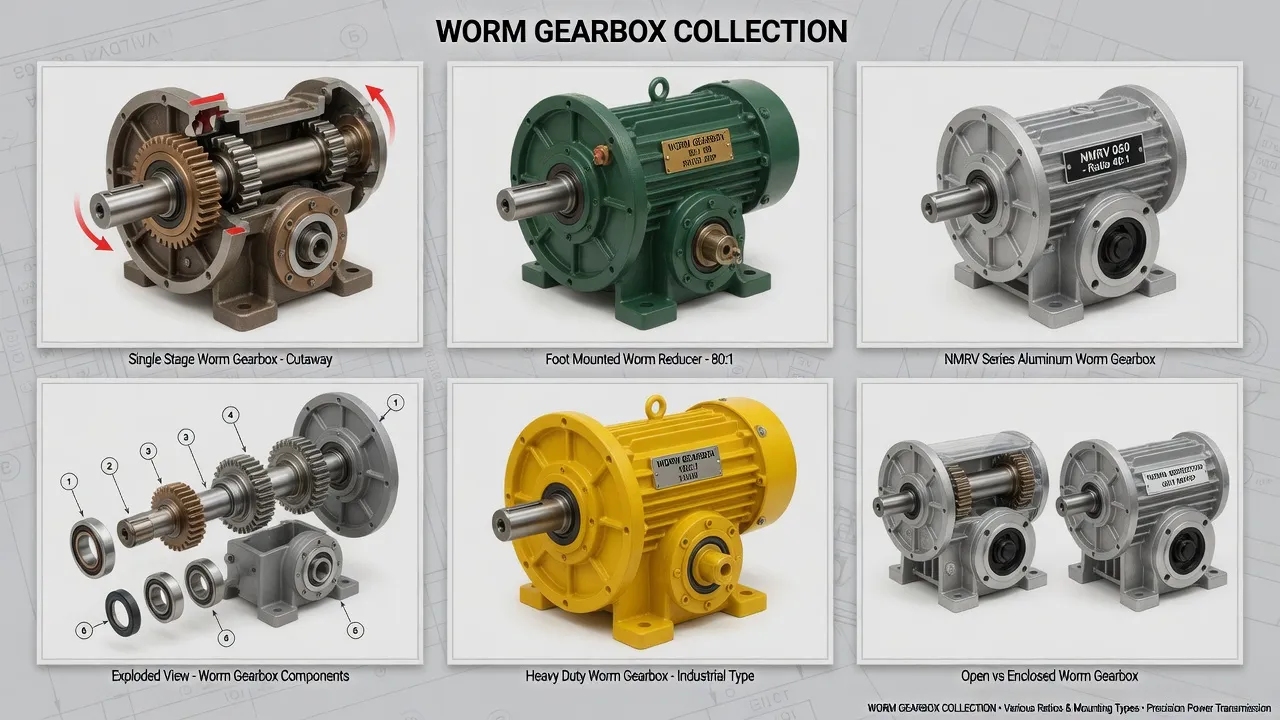
Technical Parameters: Cooling Bed Step Drive Specification Window
The table below summarizes specifications distinguishing cooling bed step drives from generic heavy-duty industrial worm gearbox alternatives. Values reflect AGMA 6034-B92 worm gear power rating combined with steel mill industry conventions for elevated-temperature high-cycle service.
| Parameter | Cooling Bed Spec | Generic Heavy-Duty |
|---|---|---|
| Self-locking requirement | Mandatory beam safety | Optional |
| Reduction ratio | 60:1 – 100:1 self-locking | 5:1 – 100:1 |
| Output torque (rated) | 8,500 – 35,000 Nm | 200 – 8,000 Nm |
| Operating temperature | -10°C to +120°C housing | -10°C to +60°C |
| Cycle rate capacity | 7+ million cycles | 100,000-500,000 typical |
| Backlash specification | Below 15 arcminutes | 15-30 arcminutes |
| Ingress protection | IP65 mill scale rated | IP54 standard |
| Service factor | 2.5 minimum, 3.0 multi-shift | 1.0 – 1.25 typical |
The single specification most often miscalculated on cooling bed projects is the operating temperature capability for housings located near the rolling mill discharge end. Generic heavy-duty industrial drives are rated for housing surface temperatures up to 60°C — completely inadequate for cooling bed service where drive housings located near the mill discharge experience sustained surface temperatures 100-120°C. Cooling bed-grade drives use synthetic polyalphaolefin (PAO) or polyalkylene glycol (PAG) lubricants rated for sustained 120°C operation with 8,000-hour drain intervals, plus Viton fluoroelastomer seal materials that maintain integrity across the elevated temperature exposure. Service factor 2.5 minimum applied to step torque covers single-shift cooling bed operations, with multi-shift continuous operations justifying 3.0 service factor.
Application Matrix: Where Cooling Bed Step Drives Operate
Section Mill Walking-Beam Cooling Beds
Section mills produce H-beams, channels, angles, and structural shapes for construction and infrastructure markets. The cooling beds handle product lengths 6-18 meters at production rates 80-150 tonnes per hour, with cooling field lengths 45-65 meters supporting the cooling time required for the heavy section profiles. Drive specifications include output torque 18,000-35,000 Nm reflecting the substantial beam structure mass plus the loaded product weight. The longer cooling field lengths typically deploy 6-10 step drive positions across the bed, all operating in synchronized motion to maintain product spacing during cooling.
Bar Mill and Wire Rod Mill Cooling Beds
Bar mills and wire rod mills produce smaller cross-section product including round bar, deformed rebar, and small structural shapes for construction and manufacturing applications. The cooling beds handle product lengths 9-15 meters at higher production rates 120-220 tonnes per hour, with cooling field lengths 35-50 meters. Drive specifications scale down compared to section mill applications with output torque 8,500-22,000 Nm depending on cooling bed width and beam mass. The lighter individual product pieces support faster indexing cycles (20-45 second cycle time typical) producing elevated cumulative cycle counts compared to section mill applications.
Plate Mill Cooling Bed Applications
Plate mills produce heavy plate (typical 6-200 mm thickness) using shorter cooling beds (typical 25-40 meters) compared to section and bar mill applications. The plate cooling beds handle large rectangular product (typical 2-4 meter width × 8-15 meter length) with substantial individual piece mass (5-25 tonnes per plate). Drive specifications include heavy-duty torque capacity 25,000-45,000 Nm reflecting the large plate masses plus the heavy walking beam structure required to support plate handling. Reference heavy-duty drive specifications for plate mill cooling bed applications.
Specialty Steel and Alloy Steel Mill Cooling
Specialty steel mills producing tool steel, bearing steel, stainless steel bar, and alloy steel applications use specialized cooling bed installations with controlled cooling rate capability. The cooling rate control may include water spray sections, forced air cooling sections, or controlled atmosphere zones — adding equipment complexity beyond standard cooling bed specifications. Drive specifications match the standard cooling bed requirements with the addition of compatibility with the specific cooling rate control architecture deployed at the specialty steel facility. Output torque requirements scale to the product cross-section dimensions and bed configuration.
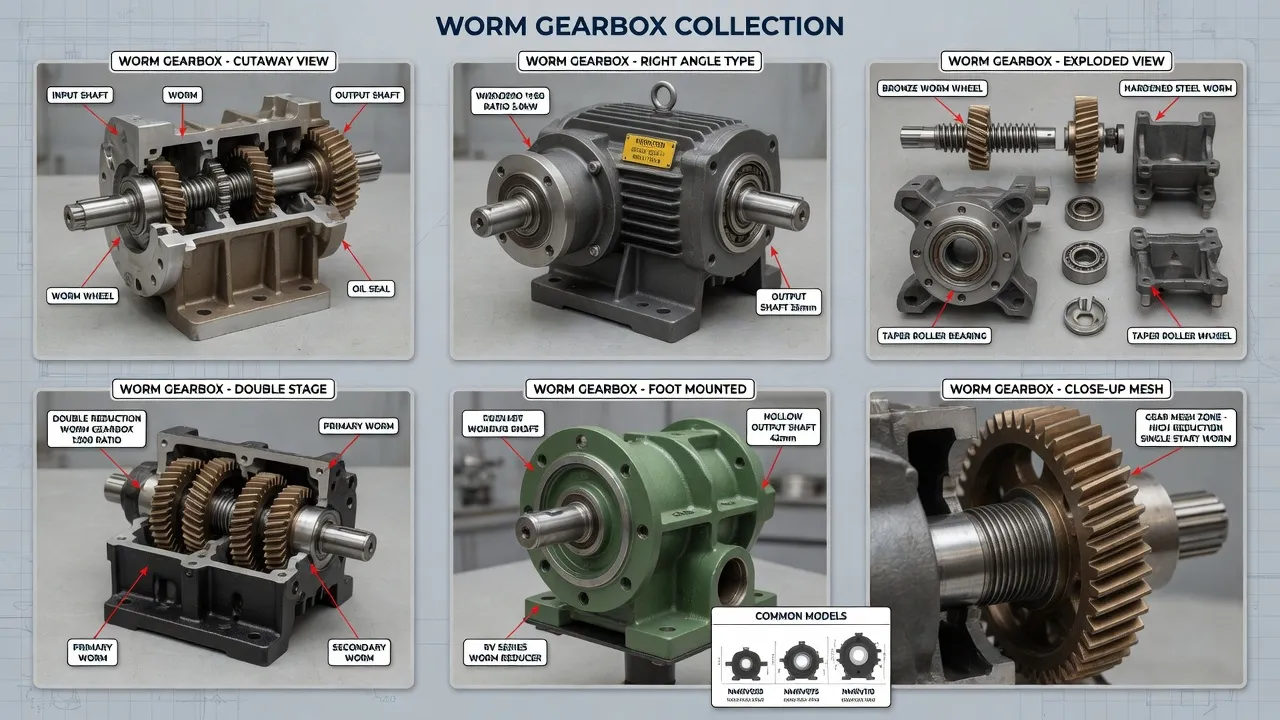
Selection Roadmap: Step-by-Step Workflow
The four-step procedure below covers cooling bed step drive selection from initial requirements documentation through commissioning verification.
Calculate Output Torque from Beam Mass and Mechanism Geometry
Determine output torque from worst-case combined walking beam mass plus loaded product mass × eccentric mechanism mechanical advantage × acceleration phase loading. Apply 2.5 service factor for single-shift cooling bed operations, 3.0 for multi-shift continuous operations. Document expected cycle count over the 25-30 year cooling bed service life (typical 4-7 million cycles). The resulting equivalent uniform-duty torque must fall within catalog rating with verified high-cycle capability.
Specify Elevated Temperature Capability and Heat-Stable Lubrication
Order drive housing rated for sustained 120°C surface temperature operation matching cooling bed installations near rolling mill discharge end. Specify synthetic polyalphaolefin (PAO) or polyalkylene glycol (PAG) lubricant fill rated for 120°C sustained operation with 8,000-hour drain intervals. Verify Viton fluoroelastomer seal materials for elevated temperature exposure plus thermal cycling resistance. Confirm bronze worm wheel material chemistry maintains tooth integrity across sustained elevated temperature service.
Verify Multi-Drive Synchronization Architecture
Confirm drive backlash specification below 15 arcminutes for synchronized multi-drive coordination accuracy across long cooling beds. Verify motor and encoder specifications match the PLC-coordinated control architecture deployed at the cooling bed installation. Specify integrated electromagnetic brake assemblies for absolute position holding during dwell phases between motion cycles. Document the multi-drive synchronization tolerance budget (typical ±5 mm linear at the beam structure across the cooling bed length).
Document Mill Scale Dust Protection and Spare Parts Strategy
Confirm IP65 ingress protection plus dust-resistant breather configuration designed for mill scale dust loading typical of cooling bed installations. Document spare parts strategy including 1-2 complete spare drive units per cooling bed (matched to the specific drive class) plus full wear component sets supporting major rebuild events on the typical 7-10 year cooling bed major maintenance cycle. Coordinate factory acceptance test schedule with cooling bed commissioning timeline.
Spare Parts Integration: Steel Mill Cooling Bed Asset Management
Steel mill cooling bed operations prioritize spare drive inventory matching the consequences of cooling bed outage on mill discharge flow — typically every cooling bed installation carries 1-2 complete spare drives matched to the deployed step drive class. The case-hardened steel worm shaft meshing with bronze worm wheel reaches 7+ million cycle service life under proper synthetic lubrication and elevated temperature protection — typically translating to 25-30 year cooling bed service life under multi-shift mill production patterns matching the typical mill economic life.
Premium-grade SKF or NSK heavy-duty tapered roller bearings throughout the drive handle the combined radial and thrust loads typical of cooling bed step service with L10 fatigue life exceeding 7 million cycles under rated load. Viton fluoroelastomer seal lips with stainless garter springs maintain ingress protection across the mill scale dust and elevated temperature exposure period typical of cooling bed installations. Reference heavy-duty drive component specifications for component-level technical details supporting major rebuild events.
Spare parts kits combining worm shaft, worm wheel, complete bearing set, all shaft seals, gasket and o-ring kit, breather valve, and synthetic lubricant fill provide complete rebuild capability during scheduled cooling bed maintenance windows on the typical 7-10 year major maintenance cycle. Akgnx Co., Ltd ships kits packaged for steel mill maintenance practices, with all wear components sourced from the same factory production runs to ensure dimensional consistency and steel mill industry quality reproducibility across rebuild cycles.

Cost & Sustainability: Total Ownership Across 28-Year Mill Life
Steel mill operations and cooling bed OEMs evaluate step drive investments across the cooling bed economic life — typically 25-30 years matching depreciation schedules for major integrated steel mill capital investments. The table compares total cost of ownership for cooling bed-grade step drives against generic heavy-duty industrial alternatives across this horizon.
| Cost Component | Cooling-Bed-Grade KM | Generic Heavy-Duty |
|---|---|---|
| Initial unit price (FOB) | USD 12,500 – 48,000 | USD 4,500 – 18,000 |
| Service life mill duty | 25-30 years | 5-8 years |
| Mill discharge outage cost | Negligible | USD 75,000-150,000 per shift |
| Replacement frequency | 1× over 28 years | 3-5× over 28 years |
| Product warpage scrap | Minimal | USD 35,000-80,000 annually |
| 28-year cumulative TCO | ~ 1.4× installed cost | ~ 8.5× installed cost |
Sustainability and compliance documentation accompanies every cooling bed-grade drive shipment. The housing carries CE marking per EU Machinery Directive 2006/42/EC and complies with RoHS Directive 2011/65/EU. Manufacturing follows ISO 9001:2015 quality management procedures with full material traceability per EN 10204 3.1 mill test reports for major components. Worm gear tooth geometry follows DIN 3974 quality grade Q7 with load capacity per AGMA 6034-B92 worm gear power rating methodology adjusted for steel mill cooling bed high-cycle elevated-temperature service factor.
Synthetic polyalphaolefin (PAO) lubricant fills support 8,000-hour drain intervals at sustained 120°C operation, producing significantly less waste oil compared to mineral oil alternatives that require more frequent change intervals at elevated temperature. The 25-30 year cooling bed service life eliminates 2-4 replacement cycles compared to generic heavy-duty industrial alternatives, substantially reducing the equipment lifecycle environmental footprint. Akgnx Co., Ltd manufactures cooling bed-grade step drives through a dedicated steel mill drive program serving cooling bed OEMs, steel mill operations, and mill rebuild contractors globally.
Customer Testimonials from Steel Mill Cooling Operations
“Our integrated section mill produces H-beams and structural shapes for construction markets at production rates 120 tonnes per hour across 3-shift continuous operations. We standardized on KM-based cooling bed step drives in 2019 across our cooling bed modernization project. Six years into the standardization, we’ve maintained zero cooling bed step drive-related production interruptions across the 8 deployed drive positions. The synchronized motion accuracy supports our product camber tolerance commitments to our structural steel customers.”
— Mill Operations Director, Section Steel Producer, Turkey
“As a cooling bed OEM serving major bar mill and section mill markets globally, we evaluated multiple alternative step drive suppliers for our flagship cooling bed product line. Akgnx KM-based drives passed our elevated-temperature qualification testing including sustained 120°C housing surface operation, 7-million-cycle accelerated life test simulating 25-year multi-shift mill service, and synchronized multi-drive coordination verification. The drive specifications support our cooling bed customer commissioning processes globally.”
— Director of Engineering, Cooling Bed OEM, Italy
“We retrofitted cooling bed step drives across 6 stand positions in our bar mill cooling bed during a scheduled major maintenance window. The KM replacement drives mounted to existing cooling bed mechanism brackets without modification. Three years into the retrofit program, we’ve eliminated the chronic step drive failures that previously forced 4-6 unscheduled outage events annually across the affected drive positions, supporting our rebar customer delivery commitments and our annual production capacity targets.”
— Maintenance Manager, Bar Mill Operations, India
“Our heavy plate mill operations include a 38-meter cooling bed handling plate sections up to 18 tonnes per piece. The KM-based step drives we deployed across 6 cooling bed positions during our recent mill modernization project have completed approximately 4 years of multi-shift heavy plate operation with zero drive-related cooling bed issues. The 35,000 Nm output torque rating and elevated temperature capability support our heavy plate cooling reliability commitments.”
— Production Manager, Heavy Plate Mill, Korea
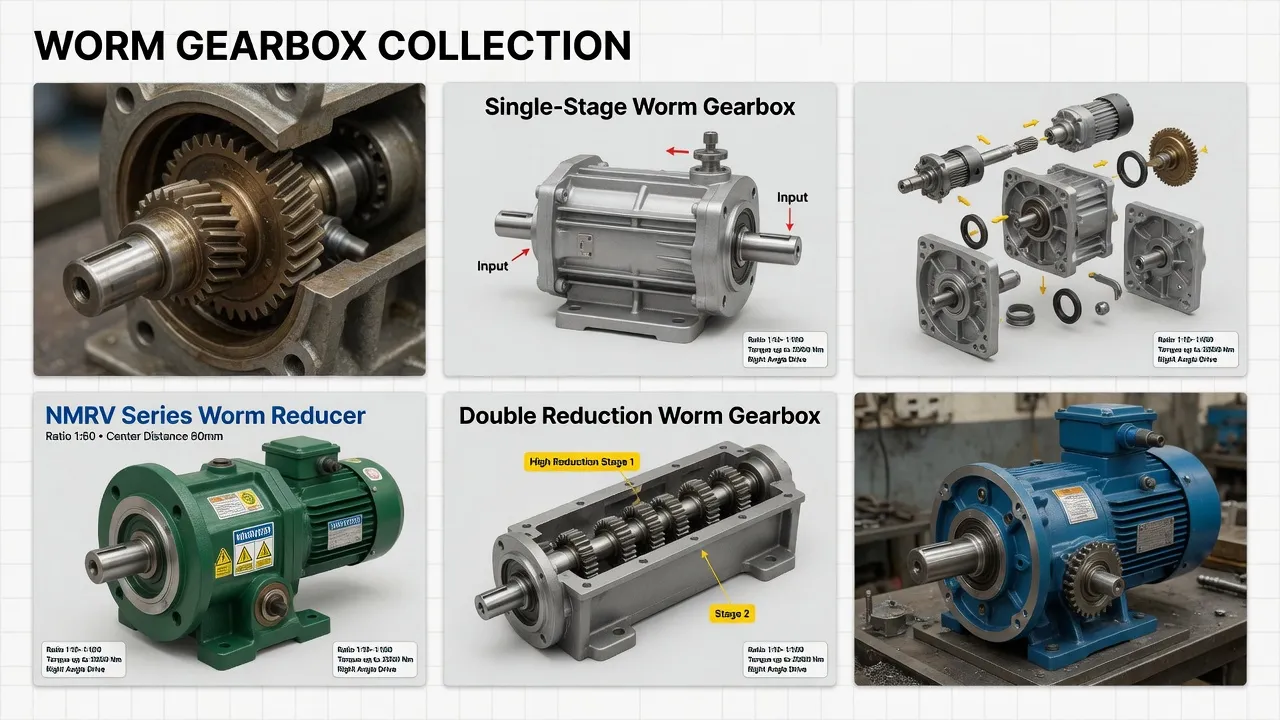
Recommended Drive: KM Heavy-Duty for Cooling Bed Step Service
For section mill walking-beam cooling beds, bar mill and wire rod mill cooling beds, plate mill cooling bed applications, and specialty steel and alloy steel mill cooling, the KM Helical Hypoid Gearbox in heavy-duty cooling bed step specification targets the 25-30-year-mill-service, elevated-temperature, high-cycle synchronized service class with engineering features specifically chosen to address the failure modes that retire generic heavy-duty industrial alternatives within 5-8 years of cooling bed service.
Specifications include heavy cast steel housing rated for sustained 120°C surface temperature operation matching cooling bed installations near rolling mill discharge end, single-stage or double-reduction worm-and-wheel architecture with heavy-duty bronze worm wheels (centrifugally cast tin bronze ZCuSn10P1 per ISO 1338 with substantial wheel sections) meshing with case-hardened 18CrNiMo7-6 steel worm shafts hardened to HRC 58-62 surface, reduction ratios from 60:1 through 100:1 ensuring inherent self-locking holding capability during eccentric mechanism dwell phases, premium-grade SKF or NSK heavy-duty tapered roller bearings rated for 7-million-cycle L10 fatigue life under rated load, fluoroelastomer (Viton) double-lip seals with stainless garter springs at all shaft penetrations rated for elevated temperature exposure plus thermal cycling resistance, IP65 ingress protection plus dust-resistant breather configuration designed for mill scale dust loading, synthetic polyalphaolefin (PAO) lubricant fill rated for 8,000-hour drain intervals at sustained 120°C operation, motor flange compatibility with three-phase AC motors and matched electromagnetic brake assemblies for synchronized multi-drive coordination, and grade 10.9 carbon steel external mounting hardware throughout for the integrated mill service environment. Output torque ratings reach 35,000 Nm continuous with backlash specification below 15 arcminutes for synchronized multi-drive coordination accuracy. CE marking per EU Machinery Directive 2006/42/EC, RoHS compliance, ISO 9001:2015 quality system certification, EN 10204 3.1 material certifications, and accelerated life test documentation simulating 25+ year cooling bed service ship with every unit.
Beyond the KM heavy-duty cooling bed frame, complete cooling bed step drive packages typically pair the gearbox with mill-duty three-phase AC motors with electromagnetic brake assemblies and IP55 motor housings rated for elevated ambient temperature, mill-grade absolute encoder feedback for synchronized multi-drive PLC coordination, weatherproof control connection junction box rated for mill environment, and grade 10.9 carbon steel mounting hardware throughout. Akgnx Co., Ltd supplies matched drive packages for cooling bed OEMs and mill rebuild contractors and provides aftermarket replacement units for installed steel mill cooling bed operations across major steel-producing markets globally.
Specifying Drives for Steel Mill Cooling Beds?
Send mill type, beam mass, product specifications, and bed length. We supply KM heavy-duty drives engineered for sustained 120°C operation with 7-million-cycle endurance and synchronized multi-drive coordination.
Frequently Asked Questions
© Akgnx Co., Ltd · About Us · Contact Us · [email protected]