
A blast furnace operating at the heart of an integrated steel mill produces 8,000-12,000 tonnes of hot metal per day across continuous operations spanning 12-18 year campaign cycles between major furnace relining events. The burden indicator (also called stockline indicator or burden profile sensor) measures the burden material level inside the furnace — coke, iron ore pellets, and sinter charged from the top — providing the critical process control signal that maintains the furnace stoichiometry across continuous operation. The mechanical burden indicator drives a probe that descends through the furnace top into the burden material, then retracts after measurement, with each measurement cycle taking 30-90 seconds and repeating every 6-15 minutes across continuous operations. The probe descends through gas atmosphere temperatures 250-400°C at the throat zone, with the upper drive housing (mounted above the furnace top) experiencing radiated heat exposure plus the convective heat from the 250-400°C top gas. Drive failure compromises the burden level measurement that supports furnace stoichiometry control — operators must shift to manual burden estimation, reducing furnace output efficiency by 3-7% during the affected period and compromising hot metal quality consistency. Properly specified blast furnace burden indicator worm gearbox equipment — engineered for high-temperature gas exposure, dust contamination resistance, and 12+ year campaign service — eliminates the unscheduled measurement outage events that disrupt blast furnace operating efficiency.
This guide covers the unique drive duty profile of mechanical burden indicators on blast furnaces in integrated steel mills, addresses the high-temperature gas exposure and 12+ year campaign service requirements, walks through selection criteria balancing thermal tolerance with measurement reliability, and provides a maintenance roadmap suitable for blast furnace operations and major furnace relining projects. Audience: blast furnace operations engineers, ironmaking equipment OEMs, blast furnace contractors, and consulting engineers specifying instrumentation drives for new blast furnace construction and major relining projects.
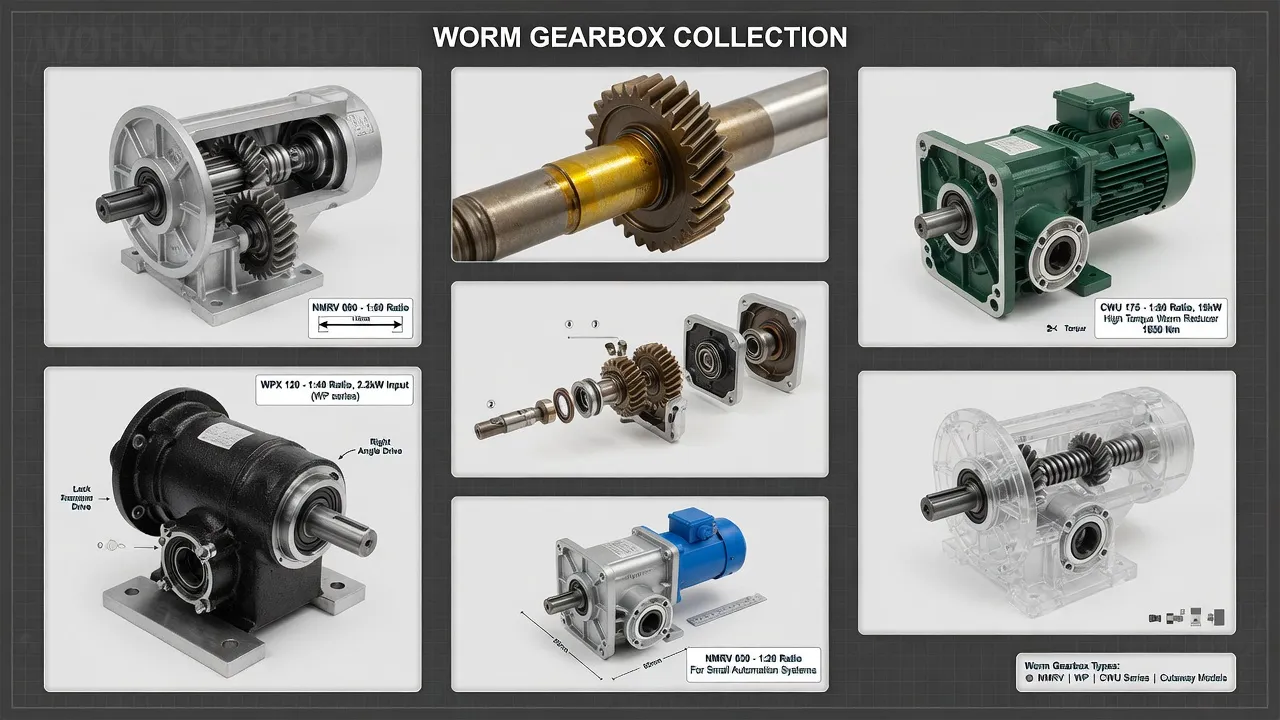
What Drive Demands Distinguish Burden Indicators from General Heavy Service?
Blast furnace burden indicator drives combine four operational characteristics that distinguish them from any non-blast-furnace industrial application. The first is the high-temperature top gas exposure environment: the probe descends through blast furnace top gas at 250-400°C continuous operating temperatures (with transient peaks reaching 450-550°C during charging events). The drive housing mounts above the furnace top with the output shaft penetrating the furnace top through pressure-rated bushing arrangements that contain the top gas pressure (typical 1.5-2.5 bar gauge). Drive housing surface temperatures stabilize at 70-100°C during continuous operation due to radiated heat plus convective heat transfer from the elevated-temperature furnace top zone. The second characteristic is the highly contaminated gas atmosphere exposure: blast furnace top gas contains substantial dust loading (10-50 g/Nm³ at the burden indicator measurement zone), elevated CO concentration (20-25% by volume), and condensable hydrocarbon traces. Output shaft seal arrangements must contain the top gas pressure while operating in this contaminated atmosphere across multi-year service intervals between major furnace relining opportunities.
The third characteristic is the 12+ year campaign service life requirement: blast furnace operations run continuous campaigns of 12-18 years between major furnace relining events that take the furnace offline for 6-12 month rebuild periods. Burden indicator drives must operate reliably across the full campaign duration — replacement during the campaign requires furnace partial shutdown that costs USD 800,000-2,500,000 per day in lost hot metal production. Drive specifications must support this multi-year unattended service capability with sealed-for-life lubrication and corrosion-resistant construction matching the campaign service environment. The fourth is the AISI 316L or higher-grade stainless steel construction requirement: blast furnace top gas chemistry plus the elevated temperature exposure and condensable hydrocarbon traces drives the requirement for AISI 316L stainless steel construction throughout, with super-duplex or higher-grade stainless alternatives for the most aggressive operating conditions. The right blast furnace instrument drive gearbox selection addresses high-temperature gas exposure, contaminated atmosphere durability, 12+ year campaign service, and stainless construction simultaneously per specialty stainless drive technical references.
How Do Specialty Stainless Drives Address Burden Indicator Failure Modes?
AISI 316L Construction Resists Top Gas Chemistry
AISI 316L (low-carbon stainless) construction throughout the gearbox housing, end covers, output shaft, and external surfaces resists corrosion from the blast furnace top gas chemistry including CO atmosphere, condensable hydrocarbon traces, and elevated dust loading. The 316L grade includes molybdenum addition that provides superior corrosion resistance compared to AISI 304 alternatives plus the low-carbon variation that supports weld zone corrosion resistance. For the most aggressive blast furnace top gas conditions including elevated chloride concentrations or sulfur compound exposure, super-duplex stainless steel (UNS S32750 or equivalent) provides additional corrosion margin. Material selection follows the specific blast furnace top gas chemistry documented through campaign-specific operating data.
Self-Locking Geometry Holds Probe Position Between Measurements
Self-locking worm gear architecture at high reduction ratios (typically 60:1 to 100:1) holds the burden indicator probe position absolutely between measurement cycles when the drive is at rest. The mechanical self-locking property maintains probe position even during electrical power interruptions or control system upsets, preventing inadvertent probe descent into the burden material that would damage the probe assembly. This passive holding behavior also supports the operational safety architecture that prevents uncontrolled probe motion under any failure scenario.
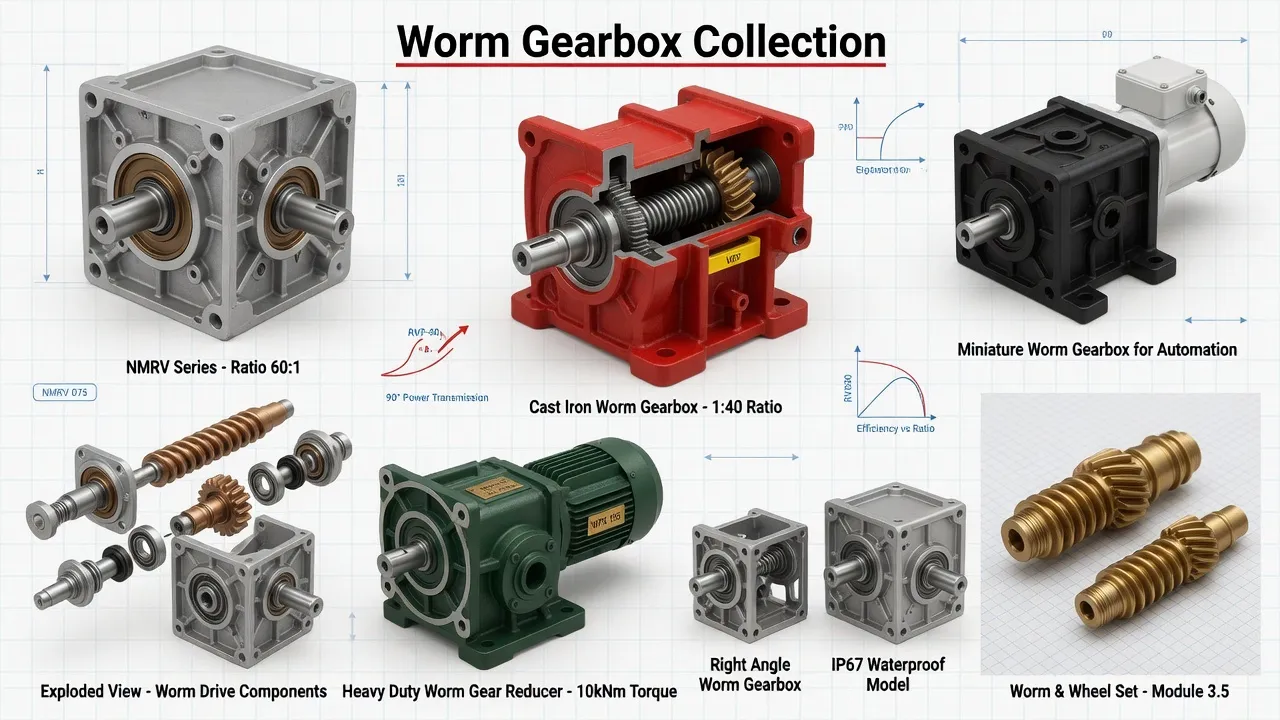
Technical Parameters: Burden Indicator Drive Specification Window
The table below summarizes specifications distinguishing blast furnace burden indicator drives from generic stainless steel worm gearbox alternatives. Values reflect AGMA 6034-B92 worm gear power rating combined with ironmaking industry conventions for high-temperature gas atmosphere instrument drive service.
| Parameter | Burden Indicator Spec | Generic Stainless |
|---|---|---|
| Housing material | AISI 316L or super-duplex | AISI 304/316 typical |
| Top gas exposure rating | 250-400°C top gas, CO atmosphere | Atmospheric typical |
| Operating temperature | -10°C to +100°C housing | -10°C to +60°C |
| Reduction ratio | 60:1 – 100:1 self-locking | 5:1 – 100:1 |
| Output torque (rated) | 450 – 2,200 Nm | 200 – 4,000 Nm |
| Service life campaign | 12-18 years no intervention | 3-5 years |
| Pressure rating output shaft | 2.5 bar gauge top gas | Atmospheric typical |
| Cycle rate over service life | 800,000+ cycles unattended | Standard cycle profile |
The single specification most often miscalculated on blast furnace burden indicator projects is the multi-year unattended service capability matching campaign duration. Generic stainless industrial drives are designed for periodic maintenance access (typical 1-2 year lubricant change intervals, 3-5 year overhaul cycles) — completely incompatible with blast furnace deployment where intervention access requires furnace partial shutdown costing USD 800,000-2,500,000 per day. Burden indicator-grade drives operate as sealed-for-life systems with synthetic lubricant fills designed for 12+ year service without replenishment, sealing arrangements that maintain integrity across multi-year top gas exposure, and component fatigue calculations demonstrating cumulative cycle capability matching the campaign duration (typical 800,000+ cycles across 12-18 year campaign).
Application Matrix: Where Blast Furnace Instrument Drives Operate
Primary Burden Indicator Drives
Primary burden indicator installations measure the burden material level at the furnace throat across the full furnace cross-section, typically deploying 2-4 measurement positions per furnace at different radial locations. The drives operate the probe descent and retraction motion with output torque requirements 450-1,400 Nm depending on probe assembly mass and burden material penetration resistance. Major blast furnace OEMs deploy these drives as standard equipment on new blast furnace construction projects worldwide, with retrofit installations on existing furnaces during major relining events.
Burden Profile Mapping Drives
Advanced burden profile mapping systems extend the burden indicator concept to scan the burden surface profile across the full furnace cross-section. The mapping drives include both radial position drives (moving the measurement probe horizontally across the furnace cross-section) plus the vertical descent drives. Output torque requirements range 800-2,200 Nm depending on probe traverse mechanism mass. The mapping systems support detailed burden distribution analysis informing furnace operating optimization, particularly important for premium-grade hot metal production where burden distribution control directly affects metal quality consistency.
Tuyere Damper and Probe Drives
Blast furnace tuyere damper drives control hot blast distribution to individual tuyeres around the furnace circumference, supporting hot blast distribution optimization. Tuyere probe drives manipulate inspection and measurement probes through tuyere openings during furnace inspection events. The drive specifications match burden indicator requirements for stainless steel construction and high-temperature exposure with the addition of higher-temperature ratings (tuyere zone gas temperatures reach 1,200-1,400°C briefly during furnace upsets, although drive housings mount in cooler positions away from direct tuyere zone exposure). Reference specialty stainless reducer specifications for tuyere drive sizing.
Direct-Reduced Iron (DRI) Plant Probe Drives
Direct-reduced iron (DRI) plant operations use similar measurement probe drive applications for shaft furnace burden level measurement and process gas sampling probe operations. The DRI plant operating environment involves elevated temperatures (process gas 800-1,000°C) but at lower pressure and reduced dust loading compared to blast furnace operations. Drive specifications scale appropriately for the DRI plant operating environment with output torque 350-1,200 Nm typical and the same multi-year campaign service life requirements as blast furnace applications.
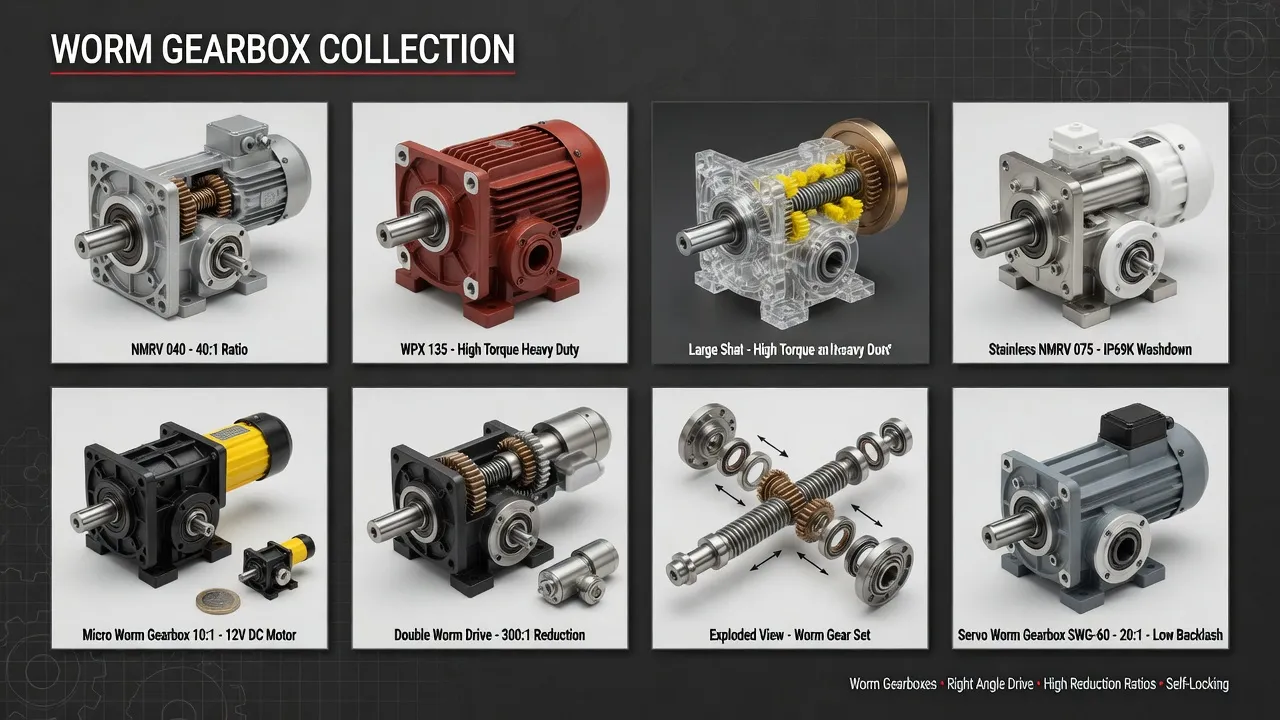
Selection Roadmap: Step-by-Step Workflow
The four-step procedure below covers blast furnace burden indicator drive selection from initial requirements documentation through commissioning verification.
Document Top Gas Operating Conditions and Cycle Profile
Document blast furnace top gas operating conditions including temperature (typical 250-400°C continuous, peak 450-550°C transient), pressure (typical 1.5-2.5 bar gauge), gas chemistry (CO concentration, dust loading, condensable hydrocarbon traces). Specify probe cycle profile: measurement cycle frequency (typical every 6-15 minutes), cycle duration (30-90 seconds), and cumulative cycle count over the campaign duration (typical 800,000+ cycles across 12-18 year campaign).
Calculate Output Torque from Probe Mass and Burden Penetration
Determine output torque from probe assembly mass × drive-to-probe mechanical advantage plus burden material penetration resistance during probe descent into the burden material. Apply 2.0 service factor for blast furnace instrument drive service. Document expected lifecycle cycle count (typical 800,000+ cycles across 12-18 year campaign service). Verify cycle count capability supports unattended service across the full furnace campaign duration.
Specify AISI 316L Construction and Sealed Lubrication
Order AISI 316L (low-carbon stainless) housing throughout for typical blast furnace applications. Specify super-duplex stainless steel (UNS S32750 equivalent) for the most aggressive top gas chemistry conditions. Specify sealed-for-life synthetic polyalphaolefin (PAO) lubricant fill designed for 12+ year service without replenishment. Verify Viton fluoroelastomer or HNBR seal materials compatible with CO atmosphere exposure at elevated temperature plus condensable hydrocarbon trace exposure.
Verify Pressure-Rated Output Shaft Penetration Design
Confirm output shaft penetration design rated for 2.5 bar gauge top gas pressure containment with redundant sealing arrangements (typical primary mechanical seal plus secondary lip seal backup). Verify shaft penetration design accommodates the cycle motion through the pressure-rated bushing without seal degradation across the multi-year campaign duration. Coordinate factory acceptance test schedule with blast furnace OEM commissioning timeline.
Spare Parts Integration: Blast Furnace Operations Asset Management
Blast furnace operations differ fundamentally from typical industrial equipment service — there is no field rebuild capability for deployed burden indicator drives during the furnace campaign. Each drive must succeed across the full 12-18 year campaign duration without intervention access, with replacement only available during the major furnace relining events that occur every 12-18 years. Spare drive inventory practices for blast furnace burden indicator equipment focus on maintaining 1-2 complete spare drives matched to the specific furnace deployment, with the spare drives held in storage for deployment during the major relining event.
The case-hardened steel worm shaft meshing with bronze worm wheel reaches 800,000+ cycle service life under sealed-for-life synthetic lubrication and AISI 316L stainless steel housing protection — providing margin above the typical cycle count expected across 12-18 year campaign service. Premium-grade SKF or NSK stainless-shielded tapered roller bearings throughout the drive handle the combined radial and thrust loads typical of burden indicator service with L10 fatigue life exceeding the campaign cycle counts under rated load. HNBR fluoroelastomer seal lips with stainless steel garter springs maintain ingress protection across the multi-year top gas exposure period.
Akgnx Co., Ltd manufactures blast furnace-grade burden indicator drives through specialized assembly processes including factory pressure cycle testing simulating multi-year top gas exposure before delivery, with each drive carrying serialized documentation supporting blast furnace project quality assurance requirements. Reference specialty stainless drive component specifications for component-level technical details supporting major rebuild events during furnace relining periods.
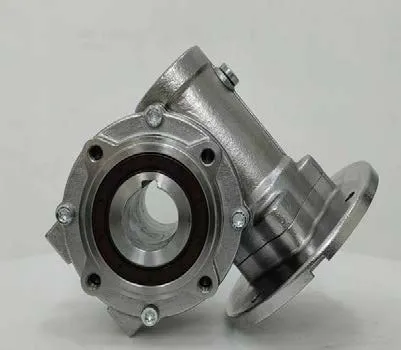
Cost & Sustainability: Total Ownership Across 18-Year Campaign Life
Blast furnace operations and ironmaking equipment OEMs evaluate burden indicator drive investments across the furnace campaign duration — typically 12-18 years matching depreciation schedules for major blast furnace capital investments. The table compares total cost of ownership for burden indicator-grade drives against generic stainless industrial alternatives across this horizon (although generic alternatives are not actually deployable for blast furnace applications, the comparison shows the substantial cost penalty of blast furnace applications relative to surface industrial service).
| Cost Component | Burden-Indicator-Grade HSRV | Generic Stainless |
|---|---|---|
| Initial unit price (FOB) | USD 8,500 – 28,000 | USD 2,500 – 8,500 |
| Service life campaign | 12-18 years unattended | Cannot deploy in furnace |
| Furnace shutdown intervention | Negligible | USD 800,000-2,500,000 per day |
| Furnace efficiency loss | Minimal across service | 3-7% during outage |
| Replacement frequency | 1× per campaign (during relining) | Not applicable to blast furnace |
| 18-year cumulative TCO | ~ 1.0× installed cost (sealed-for-life) | Not applicable |
Sustainability and compliance documentation accompanies every burden indicator-grade drive shipment. The housing carries CE marking per EU Machinery Directive 2006/42/EC and complies with RoHS Directive 2011/65/EU. Manufacturing follows ISO 9001:2015 quality management procedures with full material traceability per EN 10204 3.1 mill test reports for major components. Worm gear tooth geometry follows DIN 3974 quality grade Q7 with load capacity per AGMA 6034-B92 worm gear power rating methodology adjusted for blast furnace high-temperature gas atmosphere instrument drive service factor.
Sealed-for-life synthetic lubricant fills eliminate the lubricant change waste typical of above-ground industrial drives across the 12-18 year blast furnace campaign service life. The single-deployment service life eliminates the multiple replacement cycles that would be required if non-blast-furnace-qualified alternatives could even be used. Akgnx Co., Ltd manufactures burden indicator-grade drives through a dedicated specialty steel mill drive program serving blast furnace operations, ironmaking equipment OEMs, and integrated steel mill construction contractors globally.
Customer Testimonials from Blast Furnace Operations
“Our integrated steel mill operates 2 blast furnaces producing 14,500 tonnes of hot metal per day across continuous campaign operations. We standardized on HSRV-based burden indicator drives in 2015 across both blast furnace installations. Ten years into the standardization including completion of one major furnace relining cycle, we’ve maintained zero burden indicator drive-related furnace efficiency events. The 12+ year campaign service capability and AISI 316L construction support our continuous ironmaking operations and our hot metal quality consistency commitments to our downstream steel-making operations.”
— Director of Ironmaking Operations, Integrated Steel Mill, China Northern
“As an ironmaking equipment OEM serving major blast furnace markets globally, we evaluated multiple alternative instrument drive suppliers for our burden indicator product line. Akgnx HSRV burden indicator-grade drives passed our blast furnace qualification testing including 12-year accelerated aging test simulating top gas exposure, AISI 316L stainless steel material certification supporting blast furnace top gas chemistry compatibility, and pressure-rated output shaft penetration verification. The drive specifications support our ironmaking equipment customer commissioning processes.”
— Director of Engineering, Ironmaking Equipment OEM, Germany
“We retrofitted burden indicator drives during our most recent major blast furnace relining event after the original drives reached end-of-life service from the previous 14-year campaign. The HSRV replacement drives mounted to existing furnace top instrumentation interfaces. Three years into the new campaign operation, the upgraded drives have performed reliably across continuous ironmaking operations supporting our furnace efficiency targets and our hot metal production schedule commitments to our downstream operations.”
— Blast Furnace Manager, Integrated Steel Producer, Japan
“Our DRI plant operations use shaft furnace burden level measurement supporting continuous direct-reduced iron production for electric arc furnace steelmaking. The HSRV-based DRI plant probe drives we deployed across 4 measurement positions during plant commissioning have completed approximately 6 years of continuous operation with zero drive-related measurement issues. The high-temperature gas atmosphere capability and multi-year sealed service support our continuous DRI production for our integrated EAF steelmaking operations.”
— Plant Operations Manager, DRI Plant Steelmaking, India
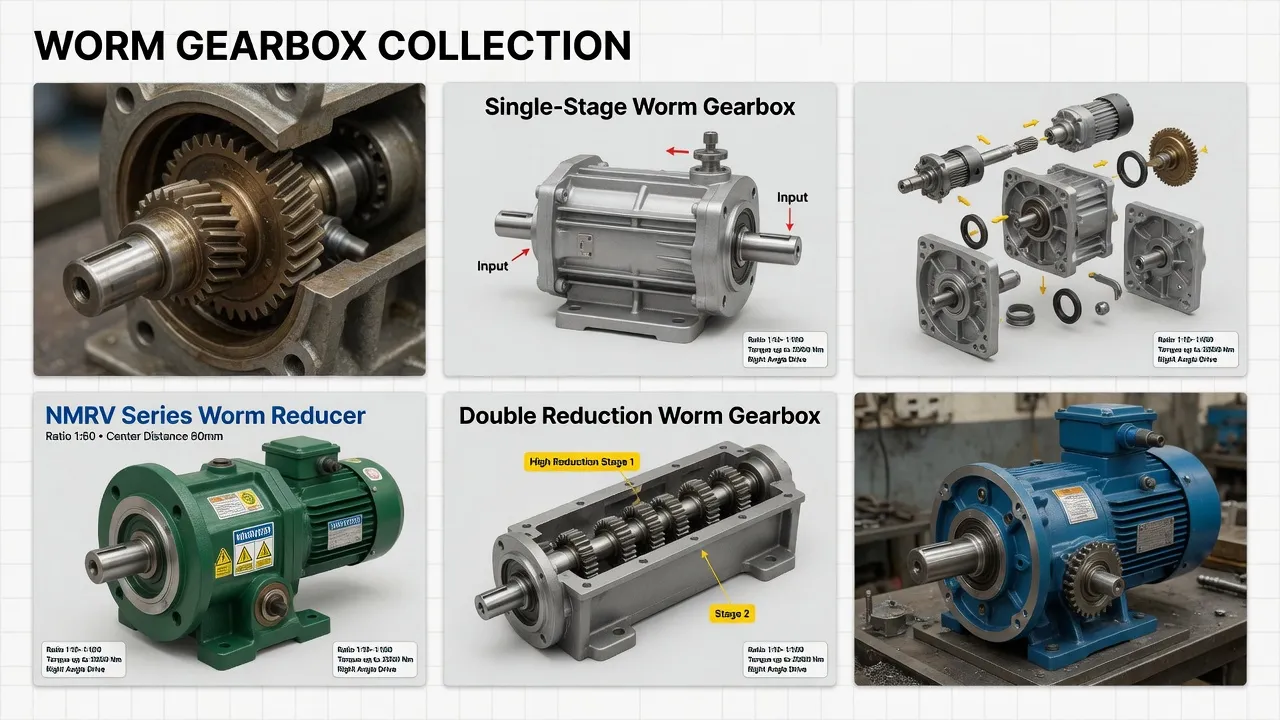
Recommended Drive: HSRV Specialty Stainless for Blast Furnace Instrument Service
For primary burden indicator drives, burden profile mapping drives, tuyere damper and probe drives, and direct-reduced iron (DRI) plant probe drives, the HSRV Stainless Steel Worm Gearbox in blast furnace burden indicator specification targets the 12-18-year-campaign-service, AISI 316L-construction, high-temperature-gas-exposure service class with engineering features specifically chosen to address the deployment challenges of blast furnace instrument drive service.
Specifications include AISI 316L (low-carbon stainless) housing for typical blast furnace applications, or super-duplex stainless steel (UNS S32750 equivalent) housing for the most aggressive top gas chemistry conditions, single-stage worm-and-wheel architecture with centrifugally cast tin bronze ZCuSn10P1 worm wheel per ISO 1338 meshing with case-hardened 18CrNiMo7-6 steel worm shaft hardened to HRC 58-62 surface, reduction ratios from 60:1 through 100:1 ensuring inherent self-locking holding capability between measurement cycles, premium-grade SKF or NSK stainless-shielded tapered roller bearings rated for campaign cycle counts of 800,000+ events under rated load, fluoroelastomer (Viton) or HNBR double-lip seals with stainless garter springs at all shaft penetrations rated for CO atmosphere and condensable hydrocarbon exposure, IP66 ingress protection plus dust-resistant breather configuration designed for top gas dust loading exposure, sealed-for-life synthetic polyalphaolefin (PAO) lubricant fill designed for 12+ year unattended service, pressure-rated output shaft penetration design rated for 2.5 bar gauge top gas pressure containment with redundant sealing arrangements, motor flange compatibility with three-phase AC motors for blast furnace instrument drive applications, and AISI 316 stainless steel A4 grade external mounting hardware throughout. Output torque ratings reach 2,200 Nm continuous. Multi-year accelerated aging test documentation simulating top gas exposure, EN 10204 3.1 material certifications, CE marking per EU Machinery Directive 2006/42/EC, RoHS compliance, and ISO 9001:2015 quality system certification ship with every unit.
Beyond the HSRV burden indicator-grade frame, complete blast furnace instrument drive packages typically pair the gearbox with specialty stainless steel motors with thermal protection rated for elevated ambient temperature, pressure-rated cable penetrations supporting blast furnace top installation electrical architecture, redundant position sensor arrangements for measurement reliability across the campaign service life, and full A4 grade stainless steel mounting hardware throughout. Akgnx Co., Ltd supplies matched drive packages for ironmaking equipment OEMs and provides aftermarket replacement units for installed blast furnace operations across major integrated steel mill markets globally.
Specifying Drives for Blast Furnace Burden Indicators?
Send blast furnace top gas conditions, probe specifications, and campaign duration target. We supply HSRV burden indicator-grade drives engineered for 12+ year unattended campaign service with AISI 316L construction and pressure-rated top gas penetration design.
Frequently Asked Questions
© Akgnx Co., Ltd · About Us · Contact Us · [email protected]