
A 1,200-cow free-stall dairy barn deploys 6 to 12 alley scraper systems running 18 to 24 cleaning cycles per day across the cow alleys, transferring approximately 36 tonnes of manure daily into collection pits for downstream lagoon storage and field application. Each scraper drive operates within an ammonia-saturated atmosphere where airborne ammonia concentrations routinely reach 15 to 35 ppm during summer ventilation conditions and exceed 50 ppm during winter operation when ventilation reduces to maintain barn temperature. Beyond the ammonia, scraper drives face direct contact exposure to fresh manure containing acidic urea breakdown products, hydrogen sulfide release from anaerobic decomposition, and the chloride content from livestock urine that destroys conventional carbon steel within months. Standard cast iron worm gearboxes corrode through housing wall thickness within 4 to 8 months under this duty profile, with failure modes including catastrophic seal failure flooding the drive with manure liquid, bearing seizure from corrosion-induced contamination, and complete housing collapse from accumulated wall thinning. Properly specified manure scraper worm gearbox drives — built around AISI 316 stainless housings with marine-grade sealing and specialized lubricant chemistry — extend service life to 8+ years even in continuous high-ammonia exposure, eliminating the recurring drive replacement cycle that defines livestock barn maintenance economics.
This guide covers the unique corrosion-resistance and chemistry-tolerance requirements of livestock barn manure handling drives, addresses the ammonia-saturated atmospheric environment typical of free-stall dairy and confinement livestock operations, walks through stainless steel material selection criteria for ammonia and hydrogen sulfide resistance, and provides a maintenance roadmap suitable for operations where scraper systems run continuously across multi-year service expectations. Audience: livestock equipment OEM engineers, dairy and confinement livestock operations managers, and procurement specialists sourcing replacement drives for installed manure handling equipment.
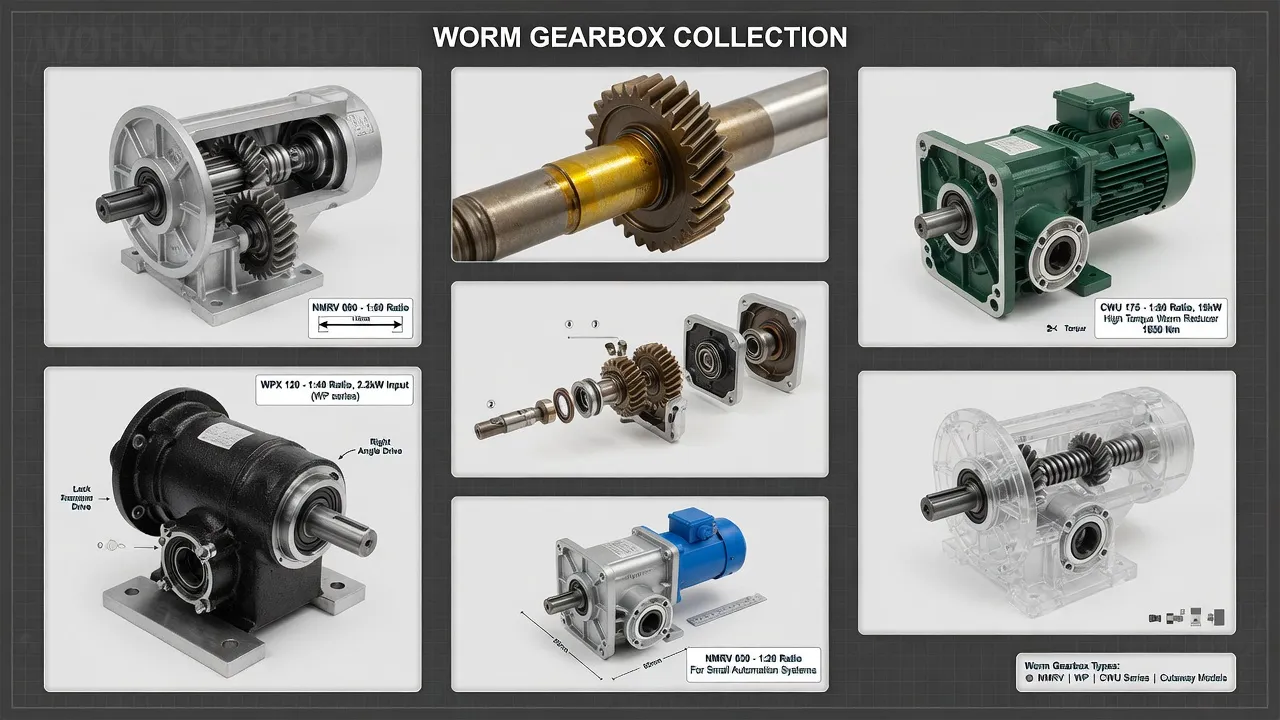
What Drive Demands Distinguish Livestock Barns from General Industrial Service?
Livestock barn manure handling combines four operational characteristics that no other industrial application produces in the same intensity. The first is the ammonia-saturated atmospheric environment: free-stall dairy barns, swine confinement facilities, and poultry housing all maintain ambient ammonia concentrations from 5 ppm during well-ventilated summer conditions through 50+ ppm during winter operations when ventilation reduces. Ammonia attacks copper-bearing alloys including bronze, brass, and certain stainless steel grades through specific chemical pathways that produce ammonium hydroxide reactions at exposed surfaces. The second characteristic is the direct manure contact: scraper drives mounted at alley ends typically experience splash exposure to fresh manure during scraping cycles, with the manure chemistry combining acidic urea breakdown products, alkaline urine constituents, hydrogen sulfide from anaerobic decomposition, and chloride content that produces aggressive corrosion conditions across the entire drive housing surface.
The third characteristic is the continuous-duty profile: dairy and confinement livestock operations run 365 days per year without seasonal shutdown, with scraper systems operating continuously across multi-year service expectations to maintain animal welfare and milk production economics. The drive equipment cannot accept the lubrication challenges of seasonal storage cycles that define agricultural irrigation drives because there is no off-season — the equipment runs continuously across the entire economic life of the facility. The fourth is the regulatory environment surrounding livestock operations: most jurisdictions apply animal welfare standards that mandate specific manure handling practices, water quality regulations that govern manure storage and field application, and air quality regulations that increasingly limit ammonia emissions from livestock facilities. Drive equipment failures that compromise scraper operation create direct animal welfare and regulatory exposure that exceeds any cost savings from non-corrosion-resistant component selection per livestock equipment reducer specification references.
How Does Stainless Steel Construction Solve Livestock Barn Failure Modes?
AISI 316 Mandatory for Ammonia and Chloride Resistance
AISI 316 stainless steel construction provides the appropriate base material for livestock barn drive specifications. The 2 percent molybdenum content (chemistry: 16% Cr, 10% Ni, 2% Mo, 0.08% C max) provides chloride resistance specifically needed for the chloride-rich manure environment, while the chromium and nickel content provides ammonia resistance through the protective passive oxide layer that maintains integrity in ammonia-saturated atmospheres. AISI 304 stainless lacks the molybdenum content and develops pitting corrosion within 18 to 30 months of livestock barn exposure as chloride accumulates in surface texture irregularities. AISI 316 stainless properly specified delivers 8+ years of service in continuous high-ammonia exposure, with the cost premium over AISI 304 (roughly 18-22 percent of total drive cost) easily justified by eliminated replacement cycles.
Specialized Lubricant Chemistry for Ammonia Atmosphere
Beyond housing material, livestock barn drive specifications require specialized lubricant chemistry that resists ammonia infiltration and the resulting lubricant degradation. Conventional mineral oil and even standard synthetic polyalphaolefin (PAO) lubricants degrade through ammonia chemical interaction across continuous-duty exposure, with the degradation products eventually compromising lubricant film thickness and accelerating component wear. Specialized synthetic lubricants formulated for ammonia atmosphere service (typically using hindered ester base chemistry or specialized PAO formulations with ammonia-resistant additive packages) maintain protective film integrity across multi-year change intervals despite the ambient atmospheric exposure. The cost premium for specialized lubricant runs 3-4× per fill volume over conventional alternatives, but the multi-year change interval makes the total lubricant cost roughly equivalent across the equipment service life.
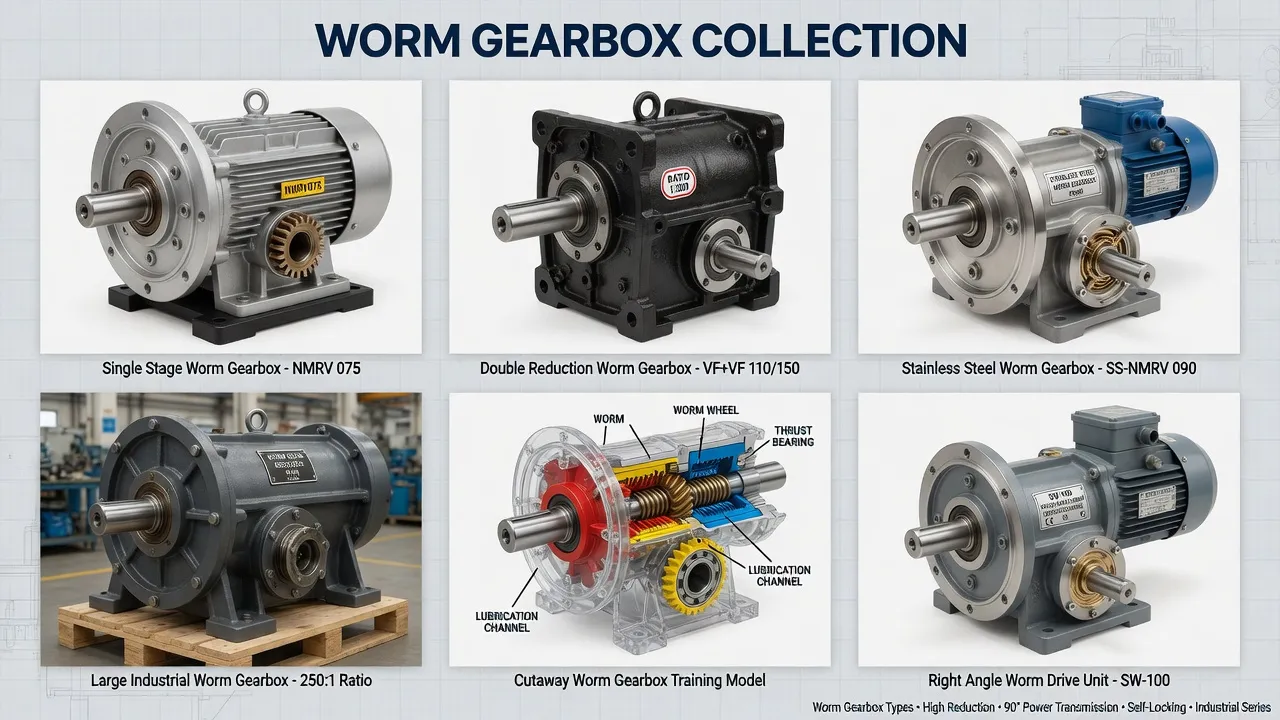
Technical Parameters: Manure Scraper Drive Specification Window
The table below summarizes specifications distinguishing livestock barn manure scraper drives from generic industrial alternatives. Values reflect AGMA 6034-B92 worm gear power rating combined with livestock industry conventions for ammonia exposure and continuous-duty service.
| Parameter | Manure Scraper Spec | Generic Industrial |
|---|---|---|
| Housing material | AISI 316 stainless steel | Cast iron with paint |
| Worm shaft material | AISI 420 stainless, HRC 50-55 | 20CrMnTi case-hardened |
| Output shaft material | AISI 316 / duplex 2205 | 42CrMo carbon steel |
| Mounting hardware | A4 (316) stainless throughout | Plated carbon steel |
| Reduction ratio range | 40:1 to 80:1 (self-lock zone) | 5:1 to 100:1 |
| Output torque (rated) | 320 – 1,800 Nm | 200 – 2,000 Nm |
| Sealing rating | IP67 immersion-tested | IP54 standard |
| Lubricant | Ammonia-resistant synthetic | Mineral oil typical |
| Compliance | CE, RoHS, ISO 9001:2015 | CE only |
The single specification most often miscalculated on manure scraper projects is the ammonia exposure tolerance. Catalog corrosion-resistance ratings typically address salt spray and washdown chemistry but rarely address ammonia atmosphere exposure that defines livestock barn service environments. Specifications matching dairy and confinement livestock service include AISI 316 stainless throughout (not AISI 304 which fails through chloride pitting), specialized ammonia-resistant lubricant chemistry (not standard PAO that degrades through chemical interaction), and IP67 immersion-tested sealing (not IP54 splash-rated alternatives that fail under direct manure contact during scraping cycles). All three specifications work together — partial implementation does not deliver multi-year service life in livestock barn applications.
Application Matrix: Where Manure Scraper Drives Operate
Free-Stall Dairy Barn Alley Scrapers
Free-stall dairy barns deploy alley scraper systems to clean cow alleys 18 to 24 times per day, maintaining the clean dry standing surfaces required for animal welfare and reducing hoof health issues that compromise milk production. Drive duty involves continuous-duty operation across multi-year service expectations with scraper cycle times typically 8 to 15 minutes per pass through alleys ranging 60 to 120 meters in length. Output torques range 320 to 1,200 Nm depending on alley length and scraper width. Self-locking holds the scraper position absolutely during scheduled idle periods between cycles without external brake hardware that would require periodic adjustment in the corrosive barn environment.
Swine Confinement Manure Handling
Swine confinement facilities use various manure handling approaches including pit-recharge systems with mechanical agitators, conveyor systems removing solids from gestation crates, and alley scrapers in larger group housing applications. Drive duty parallels dairy barn scrapers but adds the additional challenge of more aggressive ammonia concentrations typical of swine operations (often 30-50 ppm ambient compared to 15-25 ppm in well-ventilated dairy barns) plus higher hydrogen sulfide content from the swine manure chemistry. Output torques range 480 to 1,800 Nm depending on equipment size. AISI 316 stainless construction with extra ammonia-resistance margin is the appropriate specification for swine applications.
Poultry House Belt Manure Removal
Poultry house manure removal systems typically use belt conveyor systems running underneath cage tiers in laying hen operations, transferring manure from cages to end-of-house collection conveyors. Drive duty involves shorter daily operation hours than dairy or swine systems (typically 2-4 hours per day) but extends across the multi-year flock cycles typical of laying hen operations. Output torques range 240 to 800 Nm depending on house size and belt configuration. The poultry environment combines ammonia exposure with extreme dust loading that compromises non-stainless drive equipment within 12-18 months of installation.
Large Animal Pen Cleaning Systems
Large animal operations including beef cattle confinement, horse stable systems, and zoo enclosure cleaning use various scraper and conveyor approaches matched to their specific facility configurations. Drive duty matches the general livestock pattern of continuous-year-round operation in corrosive ambient conditions, with output torques varying by equipment type from 280 to 1,500 Nm. Stainless construction specifications match the dairy barn alley scraper baseline with adjustments for specific environmental factors at each facility type. Reference livestock equipment reducer specifications for detailed application-specific guidance.
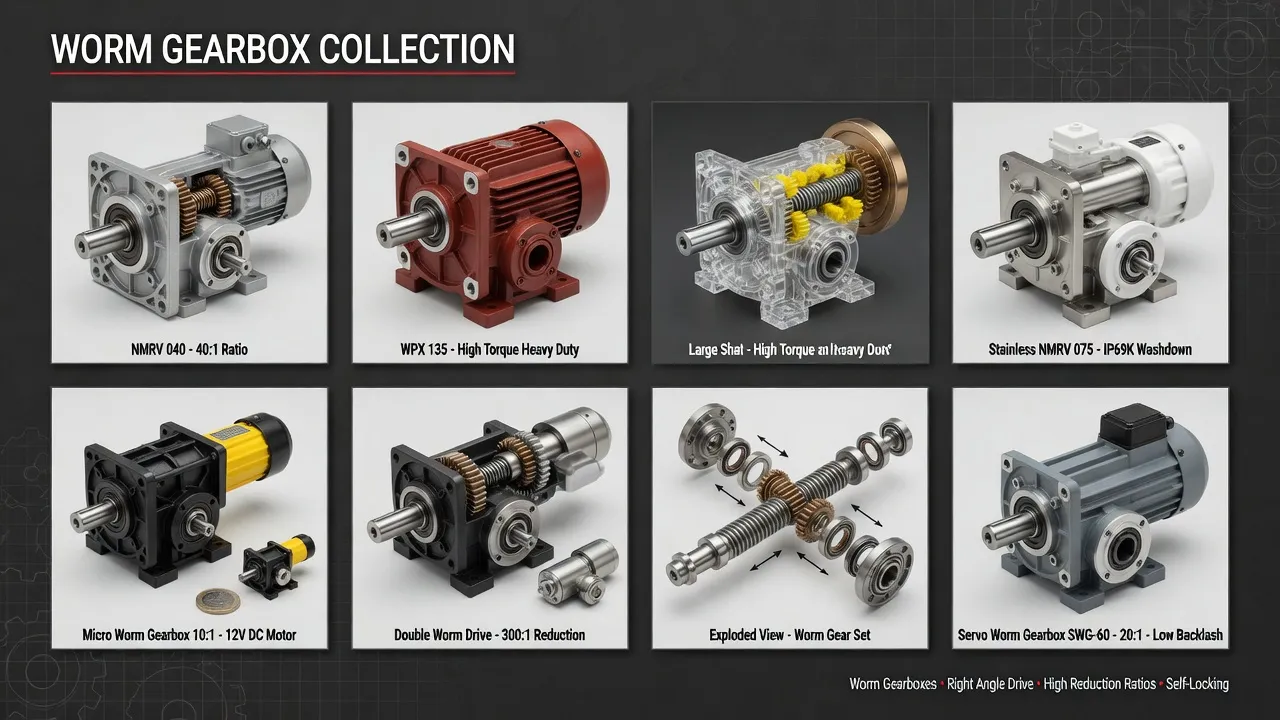
Selection Roadmap: Step-by-Step Workflow
The four-step procedure below covers manure scraper drive selection from initial requirements documentation through commissioning verification.
1
Calculate Scraper Pulling Force from Alley Geometry
Determine scraper pulling force from alley length, scraper width, manure depth at scrape time (typically 25-50mm before scraping), and friction coefficient between scraper and alley floor surface (typically 0.4-0.7 depending on flooring type). Convert pulling force to drum or pulley shaft torque using mechanism geometry. Document worst-case startup torque accounting for breakaway forces during initial movement after extended idle periods between scraping cycles.
2
Specify AISI 316 Stainless Throughout
Specify AISI 316 stainless construction for housing, worm shaft, output shaft, and mounting hardware — the chloride and ammonia resistance requirements rule out AISI 304 in livestock barn applications regardless of any cost savings. Confirm material certification per ASTM A240 for housing material with full chemical traceability documentation. Specify A4 (316) stainless mounting hardware throughout — galvanized or zinc-plated alternatives fail through hydrogen embrittlement in ammonia atmosphere within months.
3
Verify IP67 Immersion-Tested Sealing
Confirm the gearbox sealing package includes IP67 ingress protection with documented immersion test results — 30 minutes at 1-meter depth without water intrusion. Specify Viton seal lips at all shaft penetrations with stainless garter springs, plus secondary backup seals for redundancy in splash-prone installations. The IP67 specification matters because direct manure contact during scraping cycles can produce immersion-equivalent exposure that overwhelms IP54 splash-rated sealing.
4
Specify Ammonia-Resistant Synthetic Lubricant
Use specialized synthetic lubricant formulated for ammonia atmosphere service, typically using hindered ester base chemistry or PAO formulations with ammonia-resistant additive packages. Standard mineral oil and conventional PAO lubricants degrade through ammonia chemical interaction across continuous-duty exposure, eventually compromising lubricant film thickness. Specialized lubricants maintain protective film integrity across multi-year change intervals. Document the lubricant specification on procurement paperwork explicitly.
Spare Parts Integration: Continuous-Duty Livestock Operations
Livestock barn maintenance prioritizes replacement stock matching the narrow service windows typical of continuous-duty livestock operations — typically 2 to 6 hour service windows during low-activity periods that don’t compromise animal welfare. The worm shaft, machined from AISI 420 stainless steel hardened to HRC 50-55 with ground and polished thread surfaces, reaches 22,000+ operating hours under proper ammonia-resistant lubrication and IP67 sealing protection — typically translating to 8 to 10 years of livestock barn service before major rebuild despite the corrosive environment.
The worm wheel, centrifugally cast from premium tin bronze ZCuSn10P1 per ISO 1338 with ground tooth surfaces, requires careful lubrication management because bronze can experience accelerated wear if ammonia infiltrates the lubricant package. Service life under proper specialized lubricant management reaches 18,000 to 22,000 operating hours. Premium-grade SKF or NSK stainless-cage bearings handle the radial and axial loads with L10 fatigue life exceeding 25,000 hours. Output and input shaft seals (Viton with stainless garter springs and double-lip configuration) require preventive replacement at 3-year intervals during scheduled livestock barn maintenance cycles.
Spare parts kits combining worm shaft, worm wheel, complete bearing set, all shaft seals, ammonia-resistant lubricant fill, gasket kit, and breather valve provide complete rebuild capability within scheduled livestock barn service windows. Akgnx Co., Ltd ships kits packaged for typical large dairy and confinement livestock operations inventory practices, with all stainless components sourced from the same factory production runs to ensure dimensional consistency across rebuild cycles.
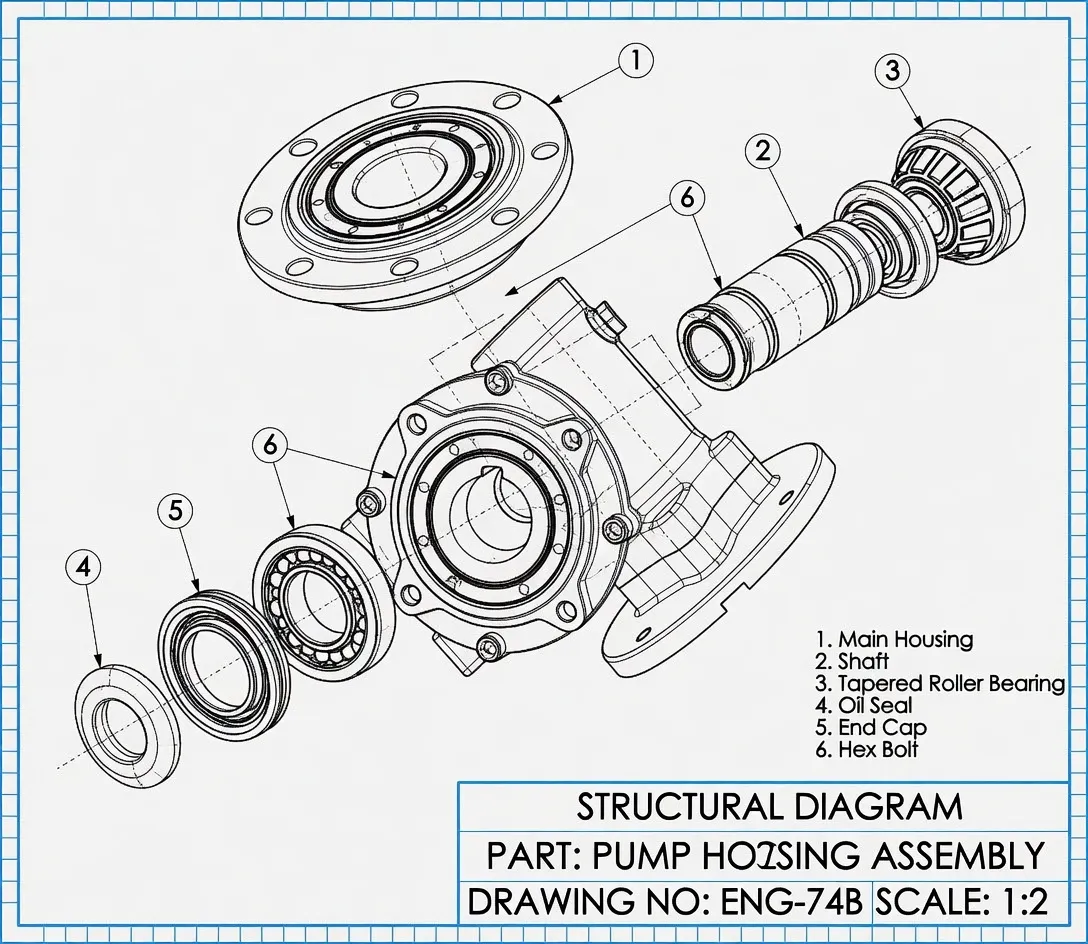
Cost & Sustainability: Total Ownership Across 8-Year Livestock Service
Large dairy and confinement livestock operations evaluate manure handling drive investments across 8-year horizons matching typical equipment depreciation schedules. The table compares total cost of ownership for stainless steel manure scraper drives against generic industrial alternatives across this horizon.
| Cost Component | Livestock-Grade HSRV 316 | Standard Industrial |
|---|---|---|
| Initial unit price (FOB) | USD 880 – 2,400 | USD 320 – 950 |
| Service life in livestock barn | 8 – 10 years | 4 – 8 months |
| Replacement frequency | 1× over 8 years | 12 – 18× over 8 years |
| Animal welfare risk | Predictive maintenance | Frequent failure outages |
| Lubricant interval | 3 years | 6 months |
| 8-year cumulative TCO | ~ 1× installed cost | ~ 9× installed cost |
Sustainability and compliance documentation accompanies every livestock-grade HSRV 316 gearbox shipment. The housing carries CE marking per EU Machinery Directive 2006/42/EC and complies with RoHS Directive 2011/65/EU. Manufacturing follows ISO 9001:2015 quality management procedures with full material traceability from stainless steel chemical certification through bronze worm wheel composition records. Worm gear tooth geometry follows DIN 3974 quality grade Q8 with load capacity per AGMA 6034-B92 worm gear power rating methodology adjusted for livestock barn continuous-duty service factor.
Specialized synthetic lubricant fills produce 80 to 90 percent less waste oil over the equipment service life compared to mineral oil alternatives requiring frequent changes — a substantial reduction in waste oil disposal at livestock facility operations. The biodegradable lubricant chemistry options meet OECD 301 standards, addressing environmental concerns specific to livestock operations subject to manure management nutrient runoff regulations. Akgnx Co., Ltd manufactures livestock-grade stainless gearboxes through a dedicated livestock equipment drive program serving manure handling equipment OEMs, large dairy and confinement livestock operations, and agricultural equipment dealers across major livestock production markets globally.
Customer Testimonials from Livestock Operations
“Our 2,400-cow free-stall dairy operation runs 18 alley scraper systems across two freestall barns. We replaced the original cast iron drives with HSRV 316 stainless after experiencing recurrent corrosion failures within 6-9 months of installation that consistently produced animal welfare concerns from accumulated manure during repair windows. Three years into the new installation, zero corrosion-related drive failures and our weekly maintenance time on scraper systems dropped 65 percent.”
— Dairy Operations Manager, Free-Stall Dairy, Wisconsin USA
“As a manure scraper OEM serving dairy and swine confinement customers, we evaluated four alternative gearbox suppliers for our standard alley scraper package. HSRV 316 passed our 3,000-hour ammonia exposure test (35 ppm continuous) with measured corrosion penetration under 0.02 mm at test completion. Akgnx held our annual production schedule across two consecutive years for delivery commitments to dealer networks across major livestock production regions.”
— Director of Engineering, Manure Handling Equipment OEM, Netherlands
“Our 12,000-sow swine confinement operation runs more aggressive ammonia conditions than typical dairy applications (45-55 ppm during winter ventilation reduction). HSRV 316 with extra ammonia-resistance margin reached 6 years of service before our first scheduled major rebuild — substantially better than any alternative we previously deployed. Documentation including full AISI 316 chemical traceability and ammonia-resistant lubricant safety data supported our state environmental permit compliance review.”
— Operations Director, Swine Confinement Operation, Iowa USA
“Belt manure removal at our 280,000-bird laying hen operation faces ammonia plus extreme dust loading that destroys non-stainless drives within 12-18 months. HSRV 316 stainless construction with proper sealing reached 7 years of service before our first scheduled major rebuild — eliminating the recurring drive replacement cycle that defined our prior maintenance budget. Annual maintenance time on the affected positions reduced 60 percent.”
— Plant Manager, Commercial Layer Operation, Indiana USA
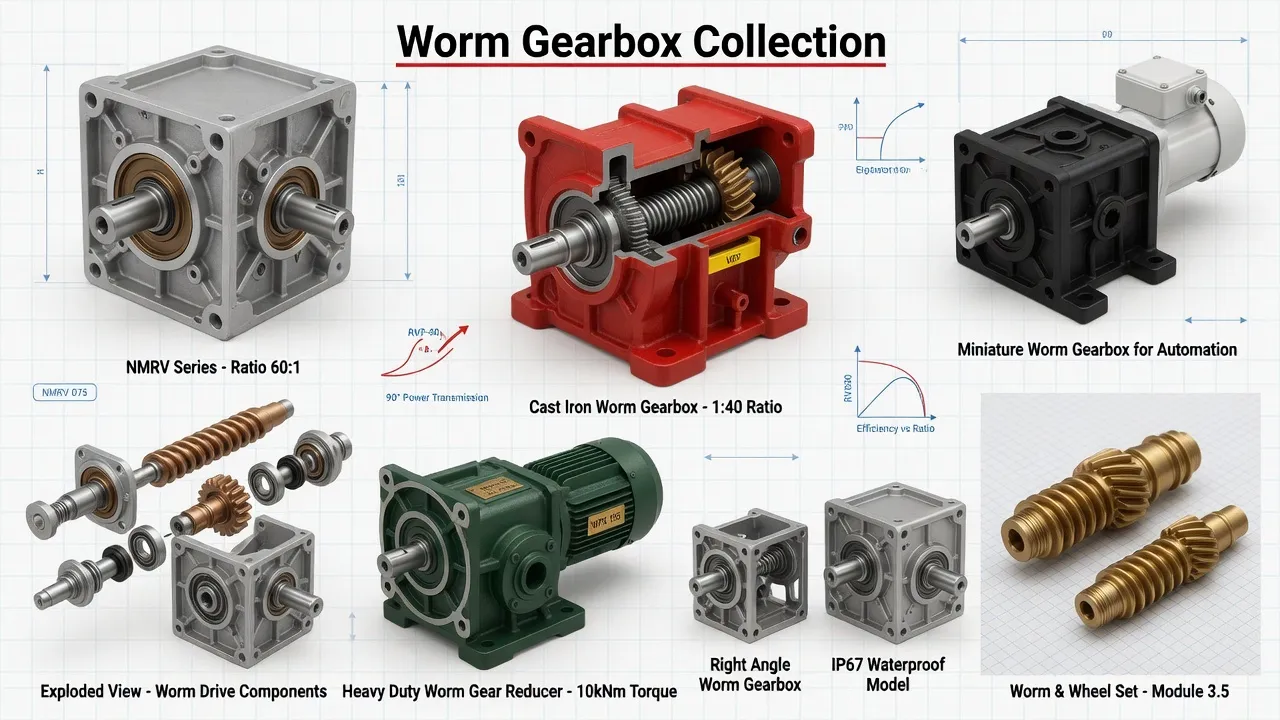
Recommended Drive: HSRV Stainless Steel for Livestock Manure Handling
For livestock barn manure handling applications including free-stall dairy alley scrapers, swine confinement manure systems, poultry house belt removal, and large animal pen cleaning equipment, the HSRV Stainless Steel Worm Gearbox in AISI 316 specification targets the corrosion-resistant, ammonia-tolerant, continuous-duty service class with engineering features specifically chosen to address the failure modes that retire generic industrial alternatives within months of livestock barn installation.
Specifications include AISI 316 stainless steel housing with chloride and ammonia resistance margin appropriate for continuous livestock barn exposure, AISI 420 stainless steel worm shaft hardened to HRC 50-55 with ground thread surfaces, AISI 316 or duplex 2205 output shaft, A4 (316) stainless mounting hardware throughout, fluoroelastomer (Viton) double-lip seals with stainless garter springs and IP67 immersion-tested ingress protection, and specialized ammonia-resistant synthetic lubricant fill. Reduction ratios from 40:1 through 80:1 maintain reliable static self-locking across the full manure handling duty range. Output torque on the HSRV105 frame reaches 1,400 Nm continuous with self-locking holding torque to 320 Nm at 60:1 reduction. CE marking, RoHS compliance, and ISO 9001:2015 quality system certification ship with every unit.
Beyond the HSRV frame, complete livestock barn drive packages typically pair the stainless gearbox with corrosion-resistant IEC TEFC induction motors with stainless mounting flanges, soft-start motor starters reducing startup peak torque on cold scraper systems, and full A4 (316) stainless mounting hardware throughout. Akgnx Co., Ltd supplies matched drive packages for manure handling equipment OEMs and provides aftermarket replacement units for installed livestock barn equipment fleets across major dairy, swine, and poultry production markets globally.
Specifying Drives for Livestock Manure Handling?
Send barn type, scraper geometry, ambient ammonia conditions, and required output torque. We supply HSRV 316 stainless steel worm gearboxes engineered for ammonia-tolerant continuous-duty livestock barn service.
Frequently Asked Questions
© Akgnx Co., Ltd · About Us · Contact Us · [email protected]