
A municipal wastewater treatment plant biological reactor basin processing 50,000 cubic meters daily of activated sludge mixed liquor depends on continuous oxygen transfer to the microbial population that breaks down dissolved organic matter. Surface aerator drives mounted on basin platforms rotate aeration impellers at 25 to 60 RPM, drawing wastewater up through the impeller and throwing it across the basin surface in a continuous spray pattern that maximizes air-water interfacial area for oxygen transfer. Each aerator transfers approximately 1.5 to 2.5 kg O₂ per kWh of drive input power across 8,760 annual operating hours of continuous duty. Drive failure halts oxygen transfer in the affected basin zone, producing dissolved oxygen depletion within 30-90 minutes that compromises biological treatment performance and risks effluent permit violations under EPA NPDES requirements or equivalent regional standards. The drive operates with the lower portion submerged in activated sludge mixed liquor (typically pH 6.5-7.5, with elevated chloride and biological contamination) for the entire service life. Properly specified surface aerator worm gearbox equipment — built around stainless steel construction, marine-grade sealing, and 18,000+ hour service intervals — eliminates the recurring drive replacement events that disrupt biological treatment performance and operating cost projections.
This guide covers the unique drive duty profile of surface aerators in activated sludge biological treatment systems and aerated lagoon installations, addresses the partially-submerged service environment and continuous-duty oxygen transfer requirements, walks through selection criteria balancing aeration efficiency with extended service intervals, and provides a maintenance roadmap suitable for water utility operations managing critical biological treatment infrastructure. Audience: water utility process engineers, wastewater treatment plant operations supervisors, and consulting engineers specifying biological treatment equipment for retrofit and new construction projects.
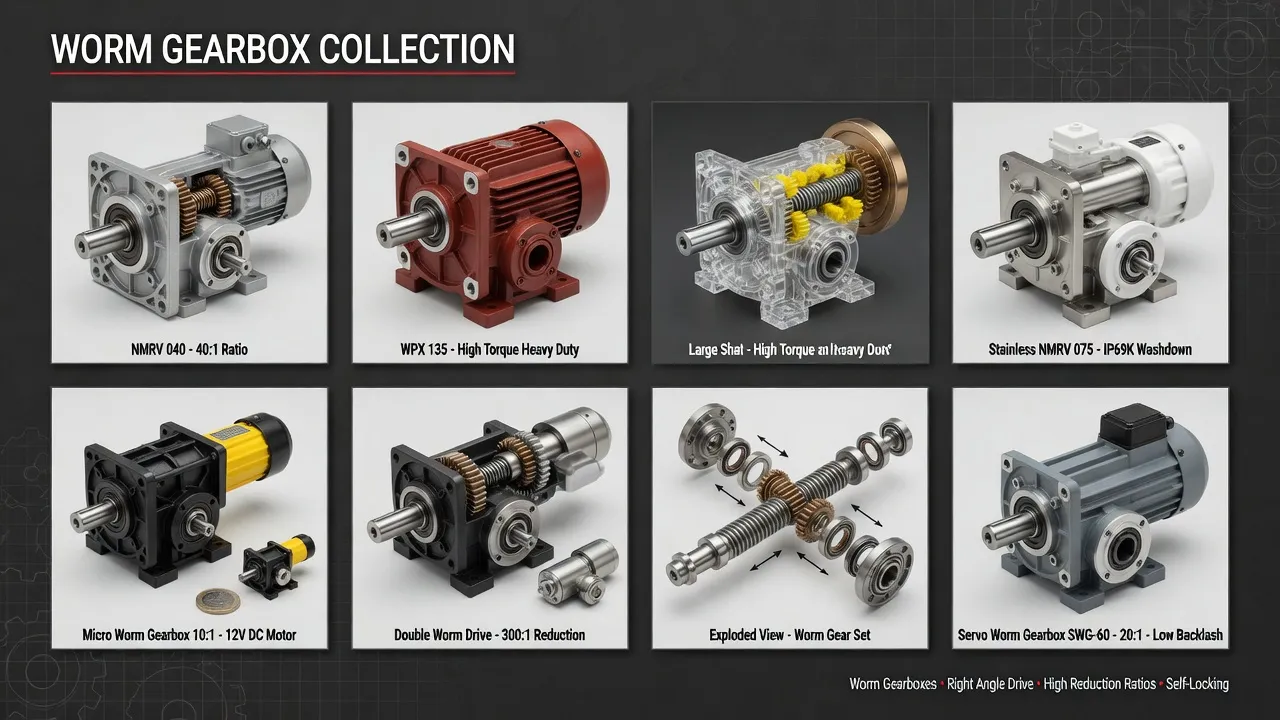
What Drive Demands Distinguish Surface Aerators from Industrial Service?
Surface aerator drives combine four operational characteristics rare in any non-aeration application. The first is the partially-submerged continuous duty environment: aerator drives mount on platforms above biological basins with the output shaft and impeller hub submerged in mixed liquor while the drive housing extends above the water surface. The shaft seal and lower bearing arrangements operate continuously in the splash zone where biological contamination, dissolved chemicals, and water-line corrosion concentrate. The second characteristic is the cyclical thrust loading from impeller hydraulic forces — surface aerator impellers produce both rotational torque and axial thrust forces that stress the drive bearings differently than purely rotational loading typical of industrial applications.
The third characteristic is the consequence of failure: aerator drive outage of more than 30-90 minutes produces dissolved oxygen depletion in the affected basin zone that takes 8-24 hours to recover after restart, with cascading effects through the biological treatment process that can compromise effluent compliance for several days. The fourth is the mounting platform vibration environment — surface aerators produce structural vibration through impeller hydraulic forces that transfer through the mounting platform to the drive equipment. Inadequate vibration isolation between the impeller mass and the drive train accelerates bearing fatigue and seal failure across the continuous-duty service life. The right surface aerator worm gearbox selection addresses partial submergence, thrust loading, continuous duty, and platform vibration simultaneously per water treatment drive technical references.
How Do Stainless Steel Worm Drives Address Surface Aerator Failure Modes?
AISI 316 Stainless Construction Resists Mixed Liquor Exposure
Surface aerator splash environments combine biological contamination with elevated chloride exposure typical of activated sludge mixed liquor — a combination that attacks standard cast iron gearbox housings and standard 304 stainless within 5-7 years of continuous service. AISI 316 stainless steel construction with molybdenum content (2-3%) provides chloride pitting resistance that extends service life across 18-22 year project economic horizons. The 316 stainless construction extends to all external mounting hardware, breather valves, and fastener systems — eliminating the galvanic corrosion that retires standard steel hardware within 3-5 years of aerator service.
Reinforced Bearing Arrangement Handles Thrust Loading
Surface aerator impellers produce axial thrust forces from hydraulic action that stress the drive bearing arrangement differently than purely rotational loading. Reinforced lower bearing arrangements using opposed tapered roller bearings or angular contact ball bearings handle the combined radial and axial thrust loading without premature fatigue. The bearing arrangement design accounts for both the steady-state thrust loading (typically 800-3,500 kg axial force depending on impeller size) and the cyclical thrust variations from impeller hydraulic instabilities (typical 15-25% peak-to-peak variation around steady-state).
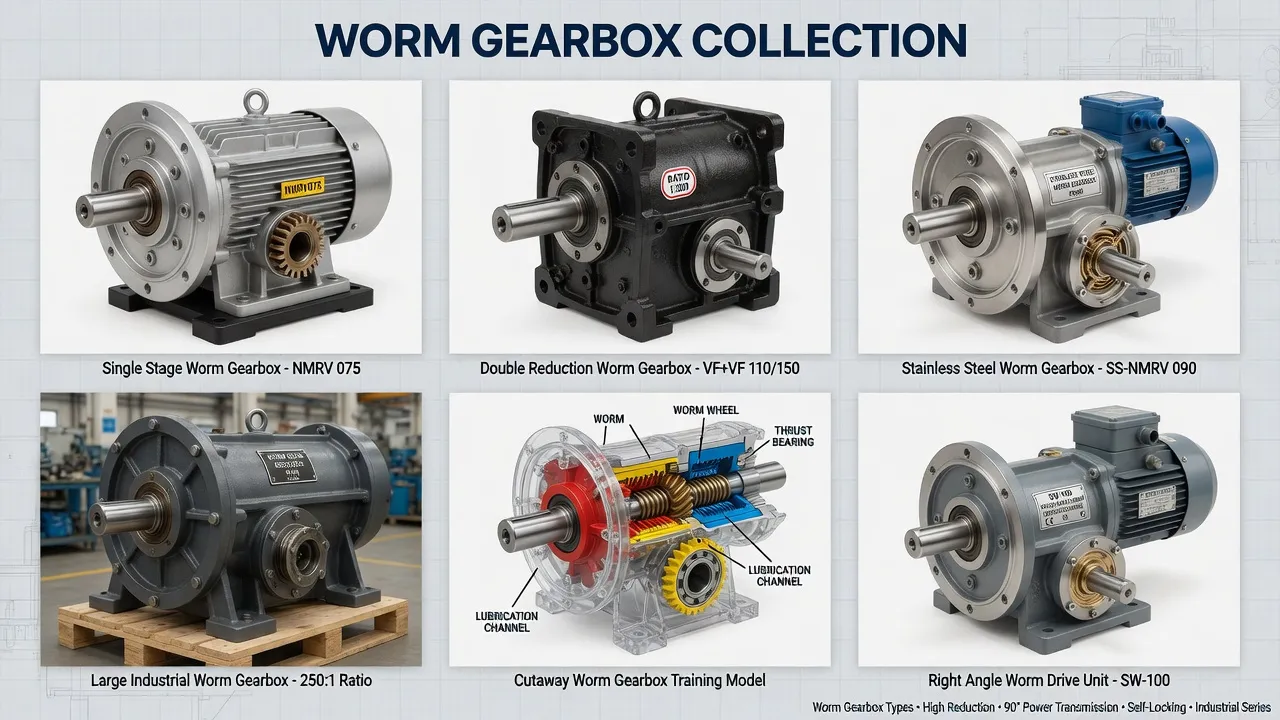
Technical Parameters: Surface Aerator Drive Specification Window
The table below summarizes specifications distinguishing surface aerator drives from generic industrial worm gearbox alternatives. Values reflect AGMA 6034-B92 worm gear power rating combined with water treatment industry conventions for partially-submerged continuous service.
| Parameter | Aerator Drive Spec | Generic Industrial |
|---|---|---|
| Housing material | AISI 316 stainless | Cast iron painted |
| Output speed range | 25 – 60 RPM | 5 – 60 RPM typical |
| Reduction ratio | 25:1 to 60:1 | 5:1 to 100:1 |
| Output torque (rated) | 800 – 6,500 Nm | 200 – 4,000 Nm |
| Thrust capacity (axial) | Up to 4,500 kg sustained | Limited (rotational only) |
| Sealing rating | IP66 plus marine grade | IP54 standard |
| Annual operating hours | 8,760 hours (24/7) | 2,000 – 4,000 typical |
| Design service life | 18 – 22 years | 6 – 9 years |
The single specification most often miscalculated on surface aerator projects is the axial thrust capacity from impeller hydraulic loading. Catalog torque ratings address rotational loading only, while surface aerator impellers produce sustained axial thrust forces of 800-3,500 kg plus cyclical variations of 15-25% peak-to-peak. Drive bearing arrangements must accept both the rotational torque load and the sustained axial thrust load simultaneously without premature fatigue. Service factor 2.0 minimum applied to steady-state aerator torque covers typical municipal aerator installations, with industrial applications carrying higher loading variations justifying 2.5 service factor. Verify thrust capacity specifications match impeller hydraulic loading per the impeller manufacturer’s specifications.
Application Matrix: Where Surface Aerator Drives Operate
Activated Sludge Reactor Aerators
Activated sludge biological treatment processes use surface aerators to provide the dissolved oxygen needed for aerobic microbial activity that breaks down dissolved organic matter (BOD reduction) and ammonia (nitrification). Each reactor basin typically deploys 2-8 surface aerators depending on basin size and design loading rate, with output torque requirements ranging 1,500 to 4,500 Nm per drive. The biological treatment service environment includes pH variations 6.5-7.5, chloride concentrations 200-800 ppm typical of municipal wastewater, and intermittent exposure to chemical addition events (alum, polymer, alkalinity adjustment chemicals).
Aerated Lagoon Aerators
Aerated lagoon biological treatment uses earthen or lined basins (typical 2-5 hectare surface area) with surface aerators distributing oxygen across the lagoon surface. The deployment count typically reaches 6-12 aerators per lagoon depending on size, with smaller individual aerator drives (output torque 800-2,200 Nm typical) compared to activated sludge applications. Aerated lagoons typically deploy in smaller community wastewater treatment systems and industrial wastewater applications including food processing waste streams and seasonal loading patterns from agricultural processing operations.
Equalization Basin Mixers
Equalization basins upstream of biological treatment use surface aerator-style drives configured as mixers to maintain solids suspension and prevent settling during flow equalization. The drive specifications use scaled-down aerator architectures with output torques ranging 600 to 1,800 Nm. The mixing application produces reduced oxygen transfer requirements compared to biological treatment service but maintains the same continuous-duty service profile and corrosive splash exposure that defines surface aerator drive specifications.
Industrial Wastewater Aerators
Industrial wastewater treatment for petroleum refining, food processing, pulp and paper, and pharmaceutical manufacturing operations deploys surface aerators with specific waste stream chemistry distinct from municipal sewage. Petroleum operations require oil-resistant seals and chemical-compatible housing materials. Food processing handles high-organic-loading waste with elevated H2S generation. Drive specifications include compatibility with specific chemical exposure profiles and waste stream characteristics. Reference specialty water treatment drive guides for industrial-specific application sizing examples.
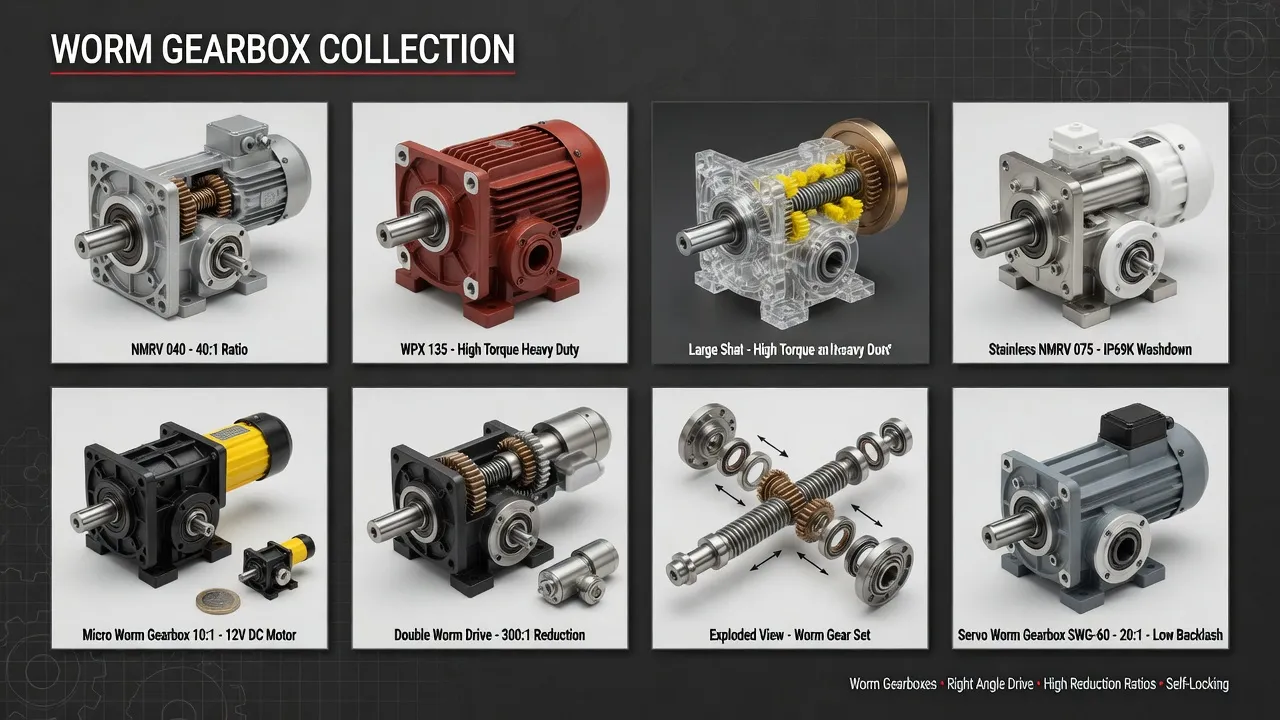
Selection Roadmap: Step-by-Step Workflow
The four-step procedure below covers surface aerator drive selection from initial requirements documentation through commissioning verification.
Calculate Required Output Torque and Axial Thrust from Impeller Loading
Determine output torque from impeller diameter, operating RPM, and pumping rate per impeller manufacturer’s specifications. Calculate axial thrust from impeller hydraulic action — typically 800-3,500 kg sustained for municipal applications scaling with impeller size and pumping rate. Document worst-case torque events from startup transients and impeller fouling scenarios that produce 2-3× steady-state torque spikes. Verify both torque and thrust requirements simultaneously rather than addressing each independently.
Apply Continuous Duty Service Factor for Aerator Operation
Multiply calculated steady-state aerator torque by 2.0 service factor for typical municipal activated sludge installations, 2.5 for industrial wastewater with elevated chemical loading. The resulting equivalent uniform-duty torque must fall within catalog rating at chosen reduction ratio (25:1 to 60:1 typical). Verify thrust loading falls within the specified bearing arrangement capacity. Service factor below 2.0 produces drives that fatigue within 8-12 years of aerator service rather than reaching the 18-year service life target.
Specify AISI 316 Stainless and Marine-Grade Sealing
Order AISI 316 stainless steel housing standard for activated sludge mixed liquor exposure. Specify marine-grade IP66 sealing with double-lip Viton fluoroelastomer seals at all shaft penetrations rated for submerged splash zone exposure. Verify breather valve configuration prevents wastewater aerosol contamination of internal lubricant during continuous operation. Specify the lower shaft seal arrangement explicitly to handle the partial submergence environment unique to surface aerator installations.
Verify Vibration Isolation and Reinforced Bearing Arrangement
Confirm reinforced lower bearing arrangement using opposed tapered roller bearings or angular contact ball bearings rated for combined radial and axial loading per impeller manufacturer’s specifications. Verify mounting platform vibration isolation specifications between impeller mass and drive train — typical specifications include 70-85% vibration isolation at impeller operating frequency. Specify synthetic polyalphaolefin (PAO) lubricant fill rated for 3-year drain intervals with appropriate viscosity grade for bearing arrangement specifications.
Spare Parts Integration: Biological Treatment Asset Management
Water utility biological treatment operations prioritize spare drive inventory matching the consequences of aerator outage on biological treatment performance — typically every utility carries one complete spare drive matched to each aerator size deployed across the biological treatment train. The bronze worm wheel meshing with case-hardened 20CrMnTi worm shaft reaches 30,000+ operating hours under proper synthetic lubrication and IP66 marine-grade sealing protection — typically translating to 18-22 year service life under continuous aerator duty.
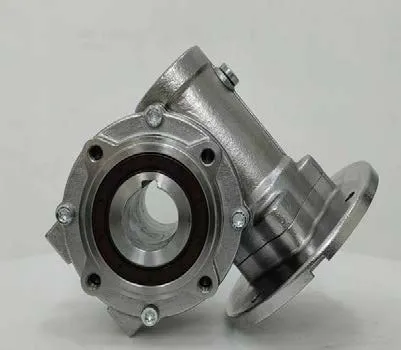
The AISI 316 stainless steel housing eliminates the corrosion-driven failure modes that retire painted cast iron alternatives within 6-9 years of aerator service. Reinforced bearing arrangements using premium-grade SKF or NSK opposed tapered roller bearings handle the combined radial and axial thrust loads typical of impeller drive service with L10 fatigue life exceeding 30,000 hours under rated load. Viton fluoroelastomer seal lips with stainless garter springs maintain ingress protection across the partially-submerged service environment exposure period. Reference stainless steel worm gear specifications for component-level technical details.
Spare parts kits combining worm shaft, worm wheel, complete bearing set including reinforced thrust bearings, all shaft seals, gasket and o-ring kit, breather valve, and synthetic lubricant fill provide complete rebuild capability during scheduled major service events. Akgnx Co., Ltd ships kits packaged for water utility biological treatment inventory practices, with all wear components sourced from the same factory production runs to ensure dimensional consistency across rebuild cycles spanning multi-decade plant operating lives.
Cost & Sustainability: Total Ownership Across 22-Year Plant Life
Water utilities and consulting engineers evaluate surface aerator drive investments across the biological treatment equipment economic life — typically 22 years matching depreciation schedules for major mechanical equipment. The table compares total cost of ownership for stainless-grade aerator drives against painted cast iron alternatives across this horizon.
| Cost Component | Stainless 316 HSRV | Painted Cast Iron |
|---|---|---|
| Initial unit price (FOB) | USD 2,800 – 11,500 | USD 980 – 4,200 |
| Service life aerator duty | 18 – 22 years | 6 – 9 years |
| Replacement frequency | 1× over 22 years | 2 – 3× over 22 years |
| Lubricant change interval | 3 years synthetic | Annual mineral oil |
| Compliance event risk | Negligible | USD 8,000 – 80,000 per event |
| 22-year cumulative TCO | ~ 1.4× installed cost | ~ 6.2× installed cost |
Sustainability and compliance documentation accompanies every stainless-grade surface aerator drive shipment. The housing carries CE marking per EU Machinery Directive 2006/42/EC and complies with RoHS Directive 2011/65/EU. Manufacturing follows ISO 9001:2015 quality management procedures with full material traceability from AISI 316 stainless steel chemical composition through case-hardened worm shaft heat-treatment records. Worm gear tooth geometry follows DIN 3974 quality grade Q8 with load capacity per AGMA 6034-B92 worm gear power rating methodology adjusted for aerator continuous duty service factor.
AISI 316 stainless steel housing materials recycle at end-of-life with high recycled-content rates compared to painted cast iron alternatives that produce paint waste during decommissioning. Synthetic polyalphaolefin (PAO) lubricant fills support 3-year drain intervals producing approximately 70 percent less waste oil compared to mineral oil alternatives requiring annual changes. The 18-22 year service life eliminates the lifecycle carbon footprint of multiple replacement cycles typical of generic painted alternatives. Akgnx Co., Ltd manufactures stainless-grade surface aerator drives through a dedicated water treatment drive program serving municipal water utilities, industrial wastewater treatment operators, and biological treatment equipment OEMs.
Customer Testimonials from Biological Treatment Operations
“Our wastewater treatment plant activated sludge train uses 16 surface aerators across 4 biological reactor basins handling approximately 95,000 m³ daily. We standardized on HSRV-316 stainless drives in 2018 after experiencing escalating maintenance costs on the original cast iron drives that arrived with the plant 1996 construction. Seven years into operation with the upgraded specification, we’ve had zero corrosion-related drive failures across all 16 positions and maintained dissolved oxygen control reliably across our biological treatment operations.”
— Plant Manager, Municipal Wastewater Plant, USA Mid-Atlantic
“As a biological treatment equipment OEM serving industrial wastewater applications, we evaluated multiple alternative drive suppliers for our standard surface aerator package. Akgnx HSRV-316 stainless drives passed our food processing industry qualification including 30,000-hour accelerated life test plus elevated chloride and biological loading exposure. The reinforced thrust bearing arrangement also supports the impeller hydraulic loading characteristics specific to our patented impeller design without requiring custom bearing modifications.”
— Director of Engineering, Industrial Aeration OEM, Netherlands
“We retrofitted surface aerator drives across 3 wastewater treatment plants in our utility district after experiencing chronic seal failures on the original drives that allowed mixed liquor contamination of internal lubricant within 4-5 years of installation. The HSRV-316 replacement drives mounted to existing aerator brackets with minor adapter plate fabrication. Five years into the retrofit program, we’ve eliminated unscheduled aerator drive replacement events that previously cost our utility approximately USD 320,000 annually across 24 affected aerator positions.”
— Asset Manager, Regional Water Utility, USA Southeast
“Our food processing wastewater treatment system handles approximately 8,000 m³ daily with seasonal loading variations and elevated chloride exposure that retired our original drive supplier’s painted units within 5-6 years. The HSRV-316 specification reached 9 years of installation service so far with zero corrosion-related failures across 6 aerator positions. The improved drive reliability has reduced our seasonal compliance margin issues during peak processing periods substantially.”
— Wastewater Operations Lead, Food Processing Facility, Spain
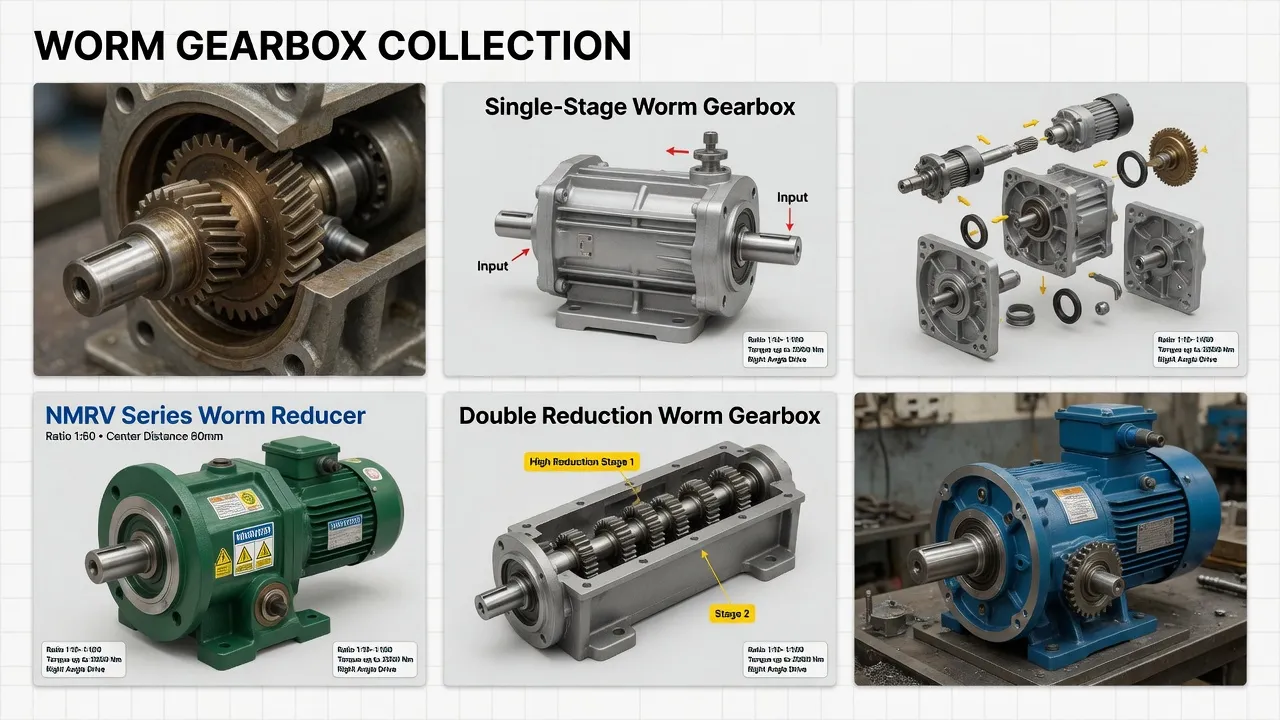
Recommended Drive: HSRV-316 Stainless Steel for Surface Aerator Service
For municipal and industrial surface aerator applications across activated sludge reactors, aerated lagoons, equalization basin mixers, and specialty industrial waste treatment installations, the HSRV Stainless Steel Worm Gearbox in surface aerator specification targets the 18-22-year-service, partially-submerged, continuous-duty service class with engineering features specifically chosen to address the failure modes that retire painted cast iron alternatives within 6-9 years of aerator installation.
Specifications include AISI 316 stainless steel housing per ASTM A276 with molybdenum content for chloride pitting resistance, centrifugally cast tin bronze ZCuSn10P1 worm wheel per ISO 1338 meshing with case-hardened 20CrMnTi steel worm shaft hardened to HRC 58-62 surface, reinforced lower bearing arrangement using opposed tapered roller bearings rated for sustained axial thrust to 4,500 kg, fluoroelastomer (Viton) double-lip seals with stainless garter springs at all shaft penetrations, IP66 marine-grade ingress protection plus splash-resistant breather configuration designed for partially-submerged exposure, synthetic polyalphaolefin (PAO) lubricant fill rated for 3-year drain intervals, and stainless steel A2 mounting hardware throughout. Reduction ratios from 25:1 through 60:1 deliver aerator output speeds across the typical 25-60 RPM service range. Output torque ratings reach 6,500 Nm continuous with reinforced bearing arrangement supporting full thrust loading simultaneously. CE marking, RoHS compliance, and ISO 9001:2015 quality system certification ship with every unit.
Beyond the HSRV-316 frame, complete surface aerator drive packages typically pair the gearbox with high-efficiency three-phase induction motors with IE3 efficiency rating, weatherproof control connection junction box rated for splash service, vibration sensor mounting provisions for predictive maintenance instrumentation, and full stainless steel A2 mounting hardware throughout. Akgnx Co., Ltd supplies matched drive packages for biological treatment equipment OEMs and provides aftermarket replacement units for installed municipal and industrial wastewater treatment plant fleets across major water markets globally.
Specifying Drives for Surface Aerators?
Send impeller specifications, design oxygen transfer rate, basin geometry, and exposure conditions. We supply HSRV-316 stainless aerator drives engineered for 18+ year activated sludge service with reinforced thrust bearing arrangements.
Frequently Asked Questions
© Akgnx Co., Ltd · About Us · Contact Us · [email protected]